
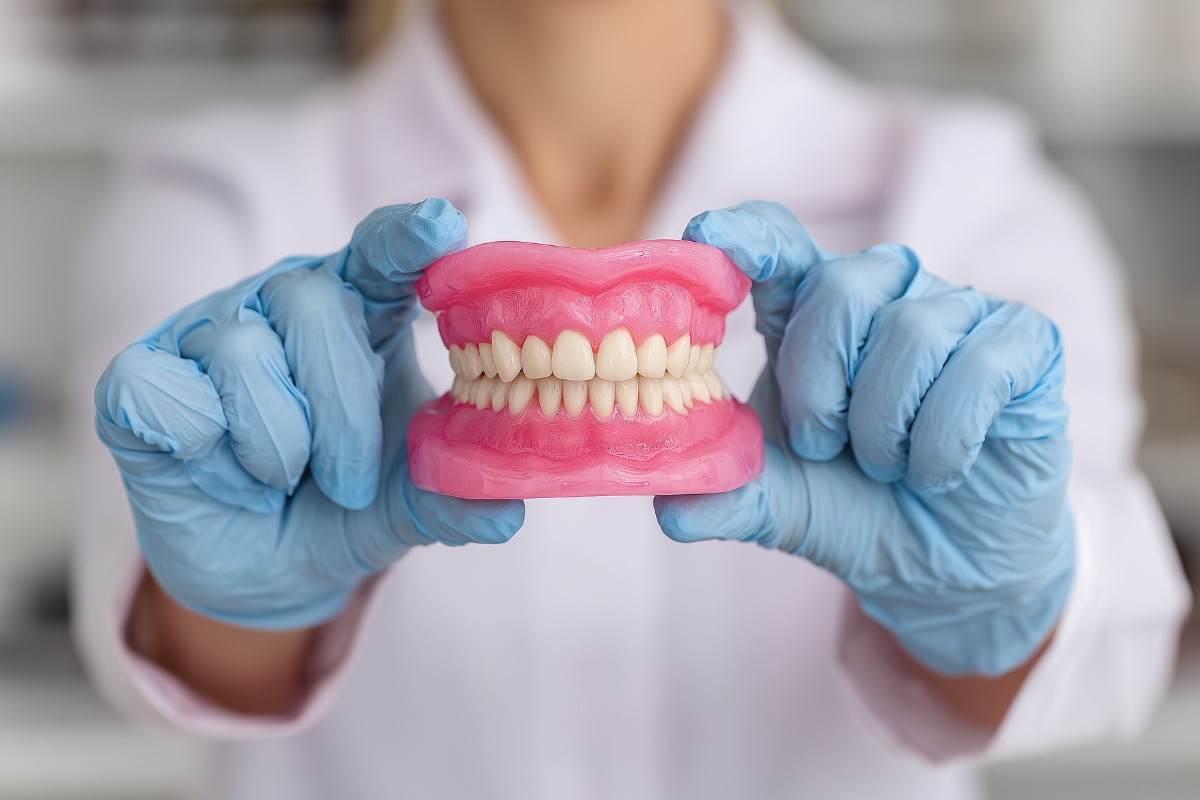
A bright smile is important to many families in Machesney Park, IL. Weekends often include coffee runs on Harlem Road, backyard barbeques, and dinners at local favorites like Franchesco’s or Beef-A-Roo. With these habits comes one common concern: stained or dull teeth. Holiday treats, soda, sauces, and even well water minerals contribute to yellowing, leaving many people looking for ways to keep their smiles bright without harsh treatments.
Fluoride has become a popular option to support teeth whitening Machesney Park. It does not bleach teeth, but it plays a vital role in keeping enamel strong, resisting stains, and preventing discoloration over time. People of all ages in this area ask how fluoride helps and why dentists recommend it for long-term smile care.
This blog explains how fluoride works, why locals benefit from it, and how daily habits in Machesney Park affect tooth color.
Why Machesney Park Residents Notice Tooth Discoloration
Tooth discoloration develops slowly for most people. Local lifestyle habits make it even more noticeable. Some common causes include:
- Morning coffee from Starbucks or Meg’s Daily Grind
- Dark colas and sweet drinks are popular at school games
- Red pasta sauces, barbecue, wine, and soy-based meals
- Well water with natural minerals that leave deposits
- Winter dryness that reduces saliva and leads to staining
- Smoking or vaping, which is common among young adults
Even with brushing, stains build up over time. Many people search online for teeth whitening Machesney Park, but whitening alone is not enough if the enamel is weak. Fluoride supports enamel strength, helping protect against staining and erosion in the long term.
How Fluoride Helps: Simple Science for Everyday Families
Fluoride bonds with enamel, making it harder and more resistant to wear. Strong enamel acts like a shield. When enamel weakens, stains stick easily, and teeth look dull or yellow.
Fluoride helps by:
- Strengthening the enamel surface
- Reducing the chance of stain absorption
- Slowing discoloration from coffee, tea, and soda
- Reversing early mineral loss before cavities develop
This is why children and adults benefit. Fluoride is not only for kids. Many working adults ask a cosmetic dentist Machesney Park about ways to maintain their whitening results, and fluoride is often part of the answer.
Do Fluoride Treatments Really Prevent Tooth Discoloration?
Yes, when fluoride is used consistently. It helps protect enamel from everyday stain-causing foods. Residents who drink a lot of tea or soda, enjoy coffee often, or love BBQ sauces notice the difference when fluoride is part of their dental routine.
People who have recently had whitening also use fluoride varnish or fluoride toothpaste to maintain their results longer. While teeth whitening Machesney Park brightens the shade of teeth, fluoride helps keep that brightness from fading.
What Kind of Fluoride Works Best for Preventing Stains?
Different options are available. A dentist usually helps decide based on the condition of the enamel. Common choices include:
1. Fluoride Toothpaste
Used twice daily for everyday stain protection.
2. Fluoride Varnish in the Dental Office
Painted onto teeth for deep strengthening benefits.
3. Fluoride Mouth Rinse
Suitable for those who sip soda or coffee throughout the day.
4. Water Fluoridation
Public water contains fluoride, which naturally supports enamel.
Using more than one form can improve results, as long as it is recommended by a dentist.
Why Local Residents Choose Fluoride for Whiter Smiles
Families in Machesney Park enjoy outdoor activities at Rock Cut State Park, youth sports leagues, and weekend community events. With a busy schedule, people want a simple and realistic way to protect their smiles.
Fluoride is convenient, quick, and easy to include in daily care. It pairs well with teeth whitening Machesney Park treatments and reduces sensitivity after whitening. Many adults find it helpful to have coffee or tea as part of their daily routine.
Those who search for a cosmetic dentist Machesney Park often want whitening solutions that last, and fluoride supports those long-term results.
How to Use Fluoride at Home for Stain Prevention
Most households can adopt these easy habits:
- Use fluoride toothpaste morning and night
- Rinse with fluoride mouthwash after staining drinks
- Drink water throughout the day to keep saliva active
- Limit sipping sweet beverages for long hours
- Brush after coffee when possible
- Choose whitening toothpaste with fluoride for maintenance
These small changes help prevent stains and protect enamel all year.
Can Fluoride Replace Whitening?
Fluoride prevents stains from soaking deeper into enamel, but does not lighten teeth the way bleaching does. It is a protective step; however, whitening is a cosmetic change. Many people do both for the best results.
Many residents who ask a cosmetic dentist Machesney Park about whitening options also ask how to keep their results lasting. Fluoride helps strengthen enamel and maintain whitening treatments without frequent reapplications.
Step-By-Step: How to Maintain Whiter Teeth with Fluoride
- Brush twice daily using fluoride toothpaste
- Use a fluoride rinse after meals
- Rinse your mouth after soda or coffee
- Schedule fluoride varnish during routine cleanings
- Avoid smoking if possible
- Reduce dark drink exposure
With consistent care, discoloration occurs more slowly, and whitening results last longer.
Making the Right Choice for a Brighter Smile
Fluoride is a simple way to strengthen enamel, resist stains, and keep teeth looking brighter between meals and drinks. It supports whitening results, protects against everyday pigment buildup, and fits easily into the daily routine of many Machesney Park families. If you’re considering stain protection or whitening, book a consultation to learn how fluoride can maintain a cleaner, brighter smile over time.
For ongoing care and treatment guidance, contact a local dental office to discuss fluoride options, enamel protection, and whitening maintenance. A conversation with our dental team helps you understand what your smile needs now and how to keep it healthy in the future.
Common FAQs: Tooth Discoloration
1. Does fluoride make teeth whiter?
Fluoride does not bleach teeth, but it strengthens enamel and keeps stains from settling deeply. This helps teeth stay brighter for longer, especially when whitening treatments are used. It supports stain prevention instead of changing color directly.
2. How often should I use fluoride toothpaste?
Twice daily is ideal. Morning and night brushing keeps fluoride active on the enamel. Consistent use helps protect teeth from discoloration and decay, especially among people who drink coffee, soda, or tea regularly.
3. Can fluoride help after professional whitening?
Yes, fluoride helps reduce sensitivity and protect enamel after whitening. It also prevents stains from returning quickly. This makes whitening results last longer and feel more comfortable.
4. Is fluoride safe for everyday use?
Yes, fluoride is considered safe by dental associations. Using recommended amounts of toothpaste, water, or varnish supports oral health and prevents mineral loss. Adults and children benefit from regular use.
5. Will fluoride stop coffee and tea stains completely?
Fluoride reduces staining but does not eliminate it entirely. It strengthens enamel and reduces its porosity, slowing discoloration. Limiting the intake of stain-heavy drinks or rinsing afterward improves results.
6. Do kids benefit from fluoride for stain control?
Yes, fluoride helps protect developing enamel and reduces early discoloration. Children who snack often or drink sugary juices see noticeable benefits. It also lowers the risk of cavities.
7. What foods should I limit to prevent tooth discoloration?
Dark drinks, red sauces, soda, energy drinks, and candies stain enamel. Eating lighter foods after staining meals and rinsing with water helps reduce buildup. Cheese and crunchy veggies also help keep teeth cleaner.
8. When should I consider whitening instead of fluoride alone?
If teeth are already yellow or darkened, whitening may be needed first. Fluoride works best after whitening to maintain results and protect enamel. Our dentist can guide the appropriate treatment order.
9. Can I get fluoride if my teeth are sensitive?
Yes, fluoride often helps reduce sensitivity. It strengthens enamel and protects exposed areas. Sensitive toothpaste with fluoride is often recommended for daily comfort.
