
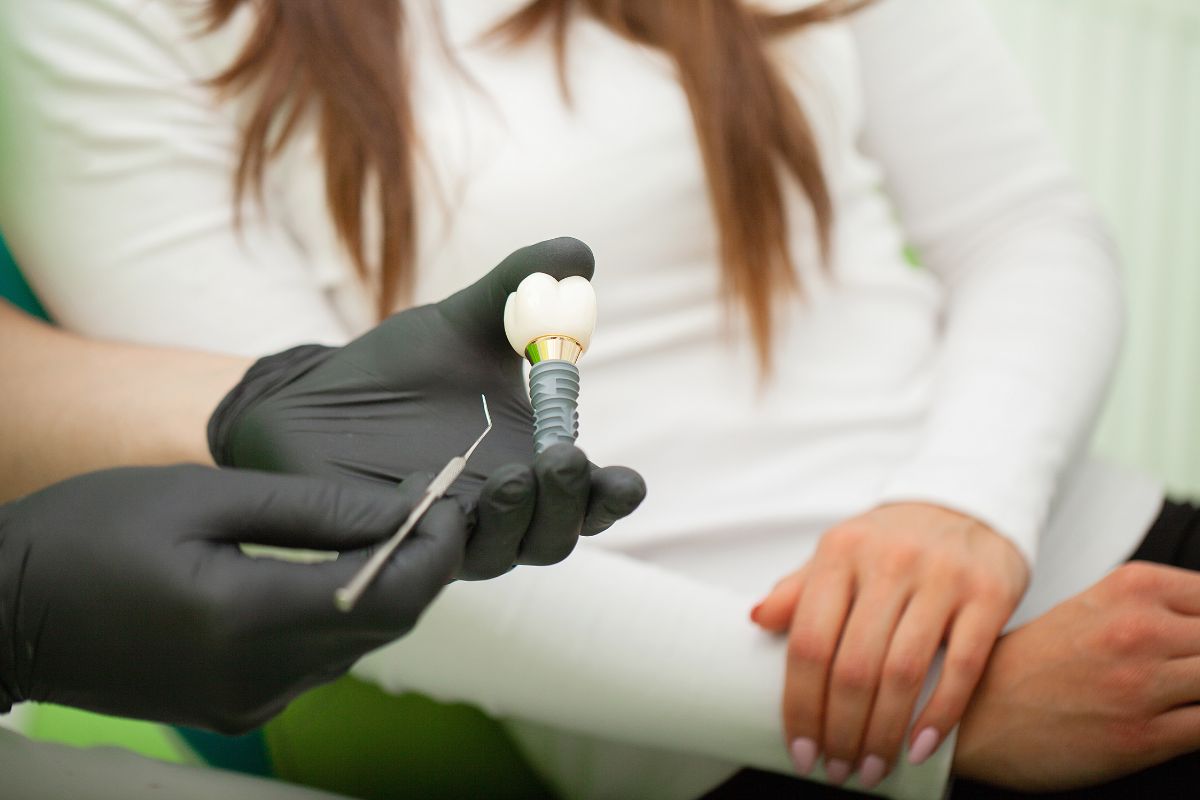
Recovering from dental implant surgery is an important step toward restoring your smile and oral function. In Machesney Park, many patients ask what they can safely eat after their procedure to encourage healing and protect their new implant. The foods you choose during recovery can help minimize irritation, support tissue repair, and make the healing process more comfortable. Understanding which foods are recommended and which should be avoided can help you recover with confidence.
Why Your Diet Matters After Dental Implant Surgery
Following dental implant surgery, your gums and jawbone need time to heal around the implant. During this period, eating foods that are gentle on the surgical site helps reduce unnecessary pressure and supports proper healing.
A balanced diet filled with soft, nutritious foods provides the vitamins, minerals, and protein your body needs to repair tissues. Staying hydrated is equally important, but drinking through a straw should be avoided because the suction may interfere with the healing process.
Soft Foods Help Protect the Surgical Site
Choosing foods that require very little chewing helps reduce irritation while allowing the implant area to heal comfortably.
Foods to Enjoy During the First Few Days
During the first several days after surgery, focus on foods that are smooth, soft, and easy to eat. Yogurt, applesauce, mashed potatoes, oatmeal, cottage cheese, scrambled eggs, soft soups served warm rather than hot, mashed avocado, and smoothies eaten with a spoon are all popular choices.
Patients recovering from dental implants in Machesney Park are encouraged to eat meals that provide protein and essential nutrients to support tissue repair. Soft fruits such as bananas and cooked vegetables can also provide valuable nutrition while being gentle on healing tissues.
Protein Plays an Important Role
Foods like eggs, Greek yogurt, tofu, soft fish, and cottage cheese provide protein that supports your body’s natural healing process.
Gradually Return to Firmer Foods
As your recovery progresses, you can slowly introduce foods that require more chewing. Soft pasta, rice, well-cooked vegetables, tender chicken, flaky fish, and casseroles are often easier to eat once tenderness begins to decrease.
Patients who receive dental implants in Machesney Park should always follow their dentist’s instructions regarding when to resume their regular diet. Healing times vary depending on the individual and the complexity of the procedure.
Add New Foods Slowly
Returning to firmer foods gradually helps prevent unnecessary stress on the implant while allowing your mouth to continue healing properly.
Foods and Drinks to Avoid During Recovery
Certain foods may interfere with healing or increase discomfort after surgery. Hard foods such as nuts, popcorn, ice, hard candy, and crunchy snacks should be avoided until your dentist confirms it is safe to eat them again.
Sticky foods may place pressure on the implant site, while spicy or highly acidic foods may irritate healing gums. Very hot foods and beverages should also be avoided during the early stages of recovery. Alcohol and tobacco products may delay healing and should be avoided according to your dentist’s recommendations.
Protect Your Healing Implant
Making thoughtful dietary choices during recovery helps reduce irritation and supports successful healing around your dental implant.
Follow Your Dentist’s Aftercare Instructions
Proper recovery involves more than eating the right foods. Maintaining excellent oral hygiene, taking prescribed medications as directed, and attending follow-up appointments all contribute to successful healing.
When you visit our dental office in Machesney Park, your dental team will provide personalized aftercare instructions and monitor your healing to ensure your implant continues integrating successfully with the surrounding bone.
Healthy Habits Promote Long-Term Success
Combining healthy eating habits with proper oral care helps support healing and contributes to the long-term success of your dental implant.
Support a Healthy Recovery
The foods you eat after dental implant surgery play an important role in protecting your implant and promoting healing. Choosing soft, nutrient-rich meals, introducing firmer foods gradually, and following your dentist’s recommendations can help you recover comfortably. If you have questions about dental implant recovery or your treatment plan, contact us today to schedule an appointment and receive personalized guidance.
Frequently Asked Questions
1. How long should I eat soft foods after dental implant surgery?
Most patients are advised to eat soft foods for several days, although your dentist will recommend a timeline based on your healing progress.
2. Can I drink coffee after dental implant surgery?
Very hot beverages should generally be avoided during the early stages of healing. Follow your dentist’s instructions regarding when it is appropriate to resume drinking coffee.
3. Why should I avoid using a straw after surgery?
Using a straw creates suction that may interfere with the healing process during the initial recovery period.
4. What protein-rich foods are recommended after dental implant surgery?
Scrambled eggs, Greek yogurt, cottage cheese, tofu, soft fish, and tender shredded chicken are commonly recommended options.
5. When can I eat normal foods again?
Your dentist will advise you based on your individual healing progress and how well the implant site is recovering.
6. Are smoothies safe after dental implant surgery?
Yes. Smoothies can be a nutritious option, but they should be eaten with a spoon instead of being consumed through a straw.
7. Why is proper nutrition important after dental implant surgery?
A healthy diet provides nutrients that support tissue repair, reduce discomfort, and promote successful healing around the dental implant.
