
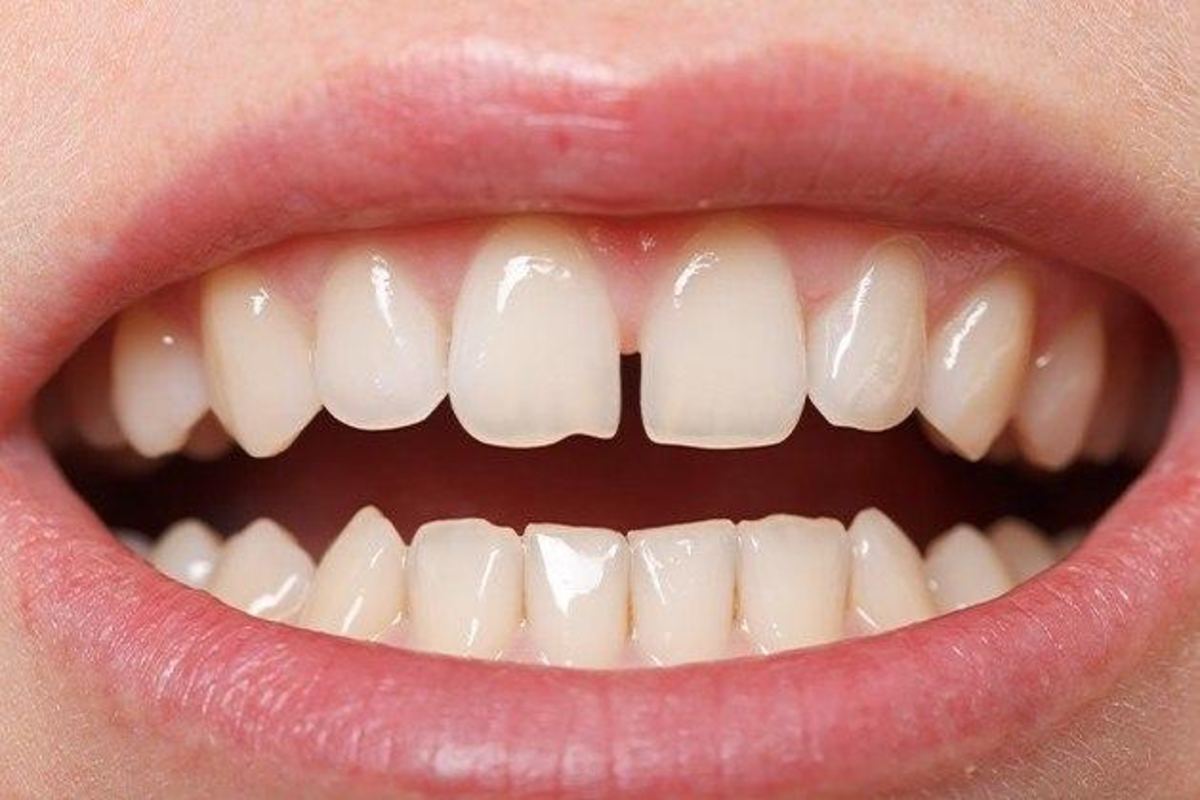
Have you recently noticed a small gap developing between your front teeth? Perhaps food is getting trapped between teeth that used to touch, or a space that has always been there is getting wider. If you live in Machesney Park, IL, you may wonder whether this is a cosmetic change or a sign of an underlying dental problem.
Gaps between teeth are common and can develop for several reasons. Some people naturally have spaces because their teeth are smaller than their jaw, while others develop gaps because of gum disease, missing teeth, or gradual tooth movement. The cause matters because treatment may range from orthodontics to addressing gum health problems.
The American Dental Association reports that approximately 42% of dentate U.S. adults aged 30 and older had some form of periodontitis, based on national data collected from 2009 to 2014. Periodontitis can damage the bone and tissues supporting teeth, potentially causing them to loosen or shift.
So, what causes gaps between teeth in adults, and when should you seek professional care? At Machesney Dental Studio, Dr. Esha Munshi can evaluate changes in your teeth and gums and help you understand your treatment options. Here are the main causes to know about.
What Are Gaps Between Teeth Called?
The dental term for a gap between two teeth is a diastema. Although gaps can develop anywhere in the mouth, they are especially noticeable between the two upper front teeth.
A diastema may be present from childhood or appear later in life. Some gaps remain stable for years and cause no functional problems. Others develop as tooth position or the supporting tissues change.
According to the Cleveland Clinic, diastema can affect people of different ages and may be related to tooth size, jaw structure, habits, or gum disease.
The important distinction is whether the gap is longstanding and stable or new and increasing. A gap that develops unexpectedly in adulthood should not automatically be treated as a cosmetic issue.
7 Common Causes of Gaps Between Teeth in Adults
1. Gum Disease and Bone Loss
One of the most important causes to investigate when new gaps develop is periodontal disease.
Gum disease begins when plaque accumulates around the teeth and irritates the gums. Early gum disease, called gingivitis, can cause redness, swelling, and bleeding. If it progresses to periodontitis, inflammation can damage the tissues and bone that hold teeth in place.
As this support weakens, teeth may loosen, shift out of alignment, or develop spaces between them. You might also notice your front teeth spreading apart or your bite feeling different.
The Centers for Disease Control and Prevention (CDC) identifies bleeding gums, gum recession, loose teeth, and changes in the way teeth fit together as possible signs of periodontal disease.
Other warning signs include persistent bad breath, tenderness, and discomfort while chewing. However, gum disease may progress without significant pain.
If you notice widening gaps, bleeding gums, or tooth movement, schedule a dental exam before considering cosmetic treatment. Closing the space without addressing active gum disease may fail to resolve the underlying problem.
2. Differences in Tooth and Jaw Size
Sometimes, gaps result from the natural proportions of your teeth and jaw.
If your teeth are relatively small compared with your jaw, there may not be enough tooth material to fill the available space. This can create gaps between teeth or a noticeable space between the upper front teeth.
Genetics can influence tooth size, jaw dimensions, and the way teeth are positioned. You may notice similar spacing in other family members.
When gaps are stable and your gums are healthy, this type of spacing may be primarily cosmetic. However, a dentist should still assess your bite and overall oral health before recommending treatment.
Depending on your preferences and dental condition, options may include orthodontic treatment or cosmetic bonding to change the appearance of selected teeth.
3. Missing Teeth
Losing a tooth can affect the alignment of the surrounding teeth.
Teeth naturally respond to the forces created by chewing and contact with neighboring teeth. When a tooth is missing, adjacent teeth may gradually drift or tilt into the open space. Teeth in the opposing jaw may also move toward the space left by the missing tooth.
This movement can create new gaps in one area while changing the spacing elsewhere in the mouth. It may also affect chewing efficiency and how your teeth meet when you bite.
The right solution depends on how many teeth are missing, where they are missing, the health of the surrounding gums and bone, and your bite. A dental bridge, implant, or other tooth-replacement option may be considered when appropriate.
Replacing a missing tooth isn’t always just about appearance. It can also help restore function and maintain a more stable bite.
4. Tongue Thrusting and Repeated Pressure
The tongue applies pressure to the teeth during swallowing, speaking, and other everyday movements. When the tongue repeatedly pushes against the front teeth, this pressure may contribute to changes in tooth position in some individuals.
Tongue thrusting and other oral habits are more commonly discussed in relation to developing teeth, but ongoing pressure may also be relevant when evaluating adult tooth movement.
Other factors, including the way your teeth meet, muscle activity, and existing alignment, can influence the outcome. Tongue pressure should not be assumed to be the cause of every new gap.
If your teeth have begun to separate and you have noticed changes in swallowing, speech, or tongue posture, discuss these observations with your dentist. An examination can help determine whether orthodontic assessment or another type of evaluation may be useful.
5. A Large Labial Frenum
The labial frenum is the small band of tissue connecting the inside of your upper lip to the gum area above the front teeth.
In some people, this tissue attaches in a way that contributes to a gap between the upper front teeth. A prominent frenum can contribute to a midline diastema, although not everyone with a visible frenum develops spacing.
The cause of the gap should be evaluated before treatment is recommended. Orthodontics may close the space, and in selected cases, a dentist or specialist may consider a procedure to modify the frenum.
The timing of any procedure matters. Removing or altering the tissue without a clear indication may not provide the expected result, and the gap may remain or reopen.
6. Natural Tooth Movement and Bite Changes
Teeth are not permanently fixed in one position. They are held in place by supporting tissues that allow small movements in response to normal forces.
Over time, bite changes, tooth wear, missing teeth, and other dental conditions may affect alignment. Previous orthodontic treatment can also shift if teeth aren’t adequately retained.
Adults sometimes notice that their lower front teeth become crowded while a gap develops elsewhere. These changes can happen gradually and may not be obvious until your bite or appearance starts to feel different.
If you previously had braces or clear aligners, your dentist can assess whether the changes relate to relapse, an altered bite, gum health, or another cause. Don’t try to close the gap with unprescribed aligners or other do-it-yourself methods.
7. Tooth Shape or Developmental Differences
Some teeth have unusual shapes or are naturally smaller than their neighbors. For example, a permanent lateral incisor may be smaller than average, leaving a space next to it.
Some people may have teeth that never develop or erupt in the expected position. These differences can affect how the teeth fit together and how much space remains between them.
A dentist can assess tooth shape, alignment, and surrounding structures to determine whether the gaps relate to tooth proportions or another issue.
Treatment may involve orthodontics, cosmetic bonding, veneers, or a combination of approaches. The best option depends on the amount of space, enamel condition, your bite, and your long-term oral health goals.
Can Gaps Between Teeth Cause Dental Problems?
Not every gap is harmful. A small, stable space may not interfere with chewing or oral hygiene, and some people choose not to treat it.
However, gaps can sometimes be associated with functional or oral health concerns, including:
- Food becoming trapped between teeth
- Changes in speech or pronunciation
- Uneven contact when biting or chewing
- Shifting teeth or an unstable bite
- Gum problems when spacing occurs alongside periodontal disease
The risk depends on the cause and the condition of the surrounding teeth and gums. A gap alone doesn’t necessarily cause gum disease, but new spacing, loose teeth, or gum recession warrants attention.
If a gap is widening, your teeth feel mobile, or your gums bleed regularly, prioritize an examination over cosmetic treatment alone.
How Are Gaps Between Adult Teeth Treated?
Treatment begins by identifying why the space developed. Your dentist may examine your gums, check tooth mobility and bite alignment, review your dental history, and recommend X-rays when clinically appropriate.
Possible treatment options include the following.
Orthodontics
Braces or clear aligners can move teeth into better positions and close gaps. Orthodontic treatment may be appropriate when spacing affects several teeth or is associated with bite alignment.
The treatment plan depends on how much movement is needed and the condition of the supporting tissues. Gum disease should be assessed and managed before tooth movement is undertaken.
Cosmetic Dental Bonding
Dental bonding uses tooth-colored composite resin to reshape a tooth and reduce the appearance of a small gap. It may be suitable when teeth are healthy, and the space is due to tooth size or shape.
Bonding typically requires less alteration of natural tooth structure than some other cosmetic treatments. However, the material can stain, chip, or wear over time and may need maintenance.
Porcelain Veneers
Veneers are thin restorations attached to the front surfaces of teeth. They can alter tooth shape and appearance and may be considered for selected cases involving spacing.
Veneers are not the right choice for every gap. Your dentist should assess enamel condition, bite forces, and whether a more conservative option could achieve the desired result.
Periodontal Treatment
If gum disease has caused the teeth to shift, the priority is to control the disease and protect the remaining supporting tissues. Treatment may include professional periodontal cleaning, deeper cleaning procedures, improved home care, and ongoing maintenance visits.
Treating gum disease may help stabilize the teeth, but it does not necessarily close gaps that have already developed. Additional restorative or orthodontic care may be considered after the condition is controlled.
Tooth Replacement
When spacing results from missing teeth, an implant, bridge, or other suitable restoration may help restore function and improve alignment. The choice depends on your oral health, bone support, medical history, and treatment goals.
No single solution works for every adult. A personalized assessment helps ensure treatment addresses both the gap’s appearance and its cause.
How Can You Prevent New Gaps From Developing?
Not every cause of tooth spacing is preventable, particularly when genetics or natural tooth proportions are involved. However, you can protect your gums and reduce the risk of avoidable changes.
- Brush twice daily with fluoride toothpaste.
- Clean between your teeth daily with floss or an appropriate interdental cleaner.
- Attend regular dental examinations and professional cleanings.
- Avoid tobacco, which increases the risk of gum disease.
- Seek care for bleeding gums, loose teeth, or changes in your bite.
- Follow your orthodontist’s retainer instructions after braces or aligner treatment.
The CDC emphasizes that good oral hygiene and regular professional care can help prevent and manage gum disease.
Get Help for Gaps Between Teeth at Machesney Dental Studio
A gap between adult teeth may be a harmless feature of your natural alignment, but a new or widening space can sometimes indicate gum disease, missing teeth, or shifting that needs attention.
At Machesney Dental Studio, Dr. Esha Munshi can evaluate your teeth and gums, discuss what may be causing the spacing, and explain appropriate treatment options based on your oral health and goals.
If you have noticed a new gap, changes in your bite, or bleeding gums,
visit our dental practice in Machesney Park, IL. Book now to schedule an appointment with our team and learn what may be causing the change.
Conclusion
Gaps between teeth in adults can develop because of natural tooth and jaw proportions, missing teeth, tongue pressure, a prominent labial frenum, bite changes, or gum disease. While some gaps are mainly cosmetic, spaces that develop suddenly or continue widening should be evaluated.
It’s especially important to rule out gum disease because it can damage the bone and tissues that support teeth. Treating the underlying cause before attempting cosmetic correction helps protect your oral health and improves the chances of a stable result.
If you are concerned about spacing, a dental examination can help identify the cause and determine whether monitoring, periodontal treatment, orthodontics, bonding, veneers, or tooth replacement may be appropriate. Dr. Esha Munshi and the team at Machesney Dental Studio can help you understand your options and plan the next steps.
Frequently Asked Questions
1. How often should I visit the dentist?
Many adults benefit from dental checkups and cleanings every six months, although the recommended interval depends on individual oral health needs and risk factors. Our dentist can help you choose an appropriate schedule.
2. Can gaps between teeth be closed without braces?
Some small gaps can be treated with dental bonding or veneers, while other cases benefit from braces or clear aligners. Our dentist can examine your teeth and explain which options suit your situation.
3. What should I do if my gums bleed when brushing?
Bleeding gums can signal gingivitis or another periodontal problem. Our dentist can examine your gums, identify possible causes, and recommend appropriate treatment and home-care measures.
4. What happens during a routine dental examination?
A routine examination generally includes an assessment of your teeth, gums, bite, and oral tissues. Our dentist may recommend X-rays when necessary and discuss preventive care or treatment based on the findings.
5. What should I do if I have a loose tooth as an adult?
A loose permanent tooth should be evaluated promptly because it may be associated with gum disease, trauma, or another dental problem. Our dentist can assess the tooth and its supporting structures and discuss appropriate next steps.
