
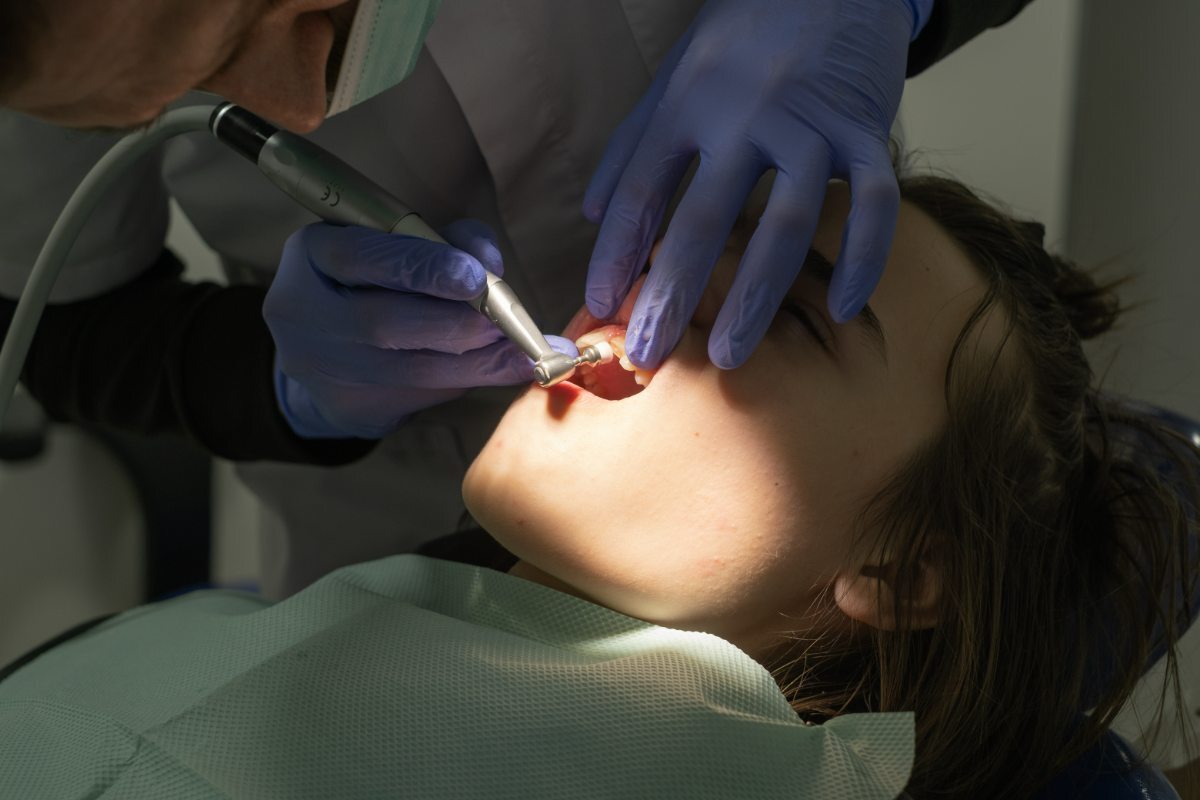
A chipped front tooth can happen when you least expect it. Maybe you accidentally bite down on something hard, experience a minor accident, or notice a small piece of enamel missing after years of everyday wear. Even a tiny chip can change the appearance of your front teeth and make you feel uncomfortable when speaking, eating, or smiling.
Have you noticed a rough edge on one of your front teeth? Is a small chip making your tooth look uneven? Or are you wondering whether a damaged front tooth can be repaired without extensive dental treatment?
The good news is that modern cosmetic dentistry offers several ways to restore chipped front teeth. Depending on the chip’s size, the condition of the remaining tooth, and your cosmetic goals, treatment may involve dental bonding, porcelain veneers, or a dental crown. The right approach can improve the tooth’s shape, restore its appearance, and protect vulnerable areas from further damage.
At Machesney Dental Studio, patients in Machesney Park, IL, can explore cosmetic dental solutions with Dr. Esha Munshi. Understanding the available treatments is the first step toward making an informed decision about repairing a chipped front tooth.
Why Do Front Teeth Become Chipped?
Front teeth play an important role in biting food, speaking clearly, and maintaining a balanced appearance. However, their position makes them vulnerable to certain types of damage.
A chip occurs when a small portion of the tooth’s outer structure breaks away. Although enamel is the hardest substance in the human body, it is not indestructible.
Common causes include:
- Accidental injuries: Falls, sports injuries, and unexpected impacts can chip or fracture front teeth.
- Biting hard foods: Ice, hard candy, popcorn kernels, and other hard foods can place excessive pressure on enamel.
- Teeth grinding: Repeated grinding or clenching can gradually weaken tooth edges.
- Using teeth as tools: Opening packages, biting fingernails, or holding objects with your teeth can cause damage.
- Untreated tooth decay: Cavities can weaken the tooth structure and make it more likely to break.
- Large existing fillings: Teeth with extensive restorations may have less natural structure to support everyday biting forces.
According to the American Dental Association (ADA), dental injuries can involve chipped, fractured, displaced, or completely knocked-out teeth. Prompt evaluation helps determine the extent of the damage and the appropriate treatment.
Can Cosmetic Dentistry Repair a Chipped Front Tooth?
Yes. Cosmetic dentistry in Machesney Park can repair many chipped front teeth by rebuilding missing tooth structure and improving the appearance of the damaged area.
The treatment depends on several factors, including:
- How much enamel has broken away.
- Whether the damage extends into the underlying dentin.
- Whether the tooth has cracks or structural weakness.
- Whether the tooth’s nerve or pulp has been affected.
- The position and shape of the damaged tooth.
- Your overall oral health and cosmetic expectations.
A small chip may require only a straightforward cosmetic repair, while a larger fracture may need a more protective restoration.
The goal isn’t simply to cover the damaged area. A successful treatment should also preserve healthy tooth structure, restore comfortable function, and create a natural-looking result.
5 Cosmetic Dentistry Treatments for Chipped Front Teeth
Not every chipped tooth needs the same type of restoration. A dentist evaluates the damage and recommends a treatment that balances appearance, durability, and preservation of natural tooth structure.
1. Dental Bonding for Small Chips
Dental bonding is one of the most common cosmetic treatments for repairing minor chips in front teeth.
During this procedure, the dentist applies a tooth-colored composite resin to the damaged area. The material is shaped to recreate the missing portion of enamel and blend with the surrounding tooth.
The general process involves:
- Cleaning and preparing the affected tooth.
- Selecting a composite resin shade that closely matches your natural teeth.
- Applying the bonding material to the chipped area.
- Shaping the resin to restore the tooth’s original contour.
- Using a curing light to harden the material.
- Polishing the restoration for a smooth, natural-looking finish.
Dental bonding is often completed in a single appointment, depending on the repair’s complexity.
Why consider dental bonding?
- Usually requires minimal removal of natural enamel.
- Can repair small chips and uneven edges.
- Uses tooth-colored material.
- Can often be completed in one visit.
- Generally costs less than porcelain veneers or crowns.
One consideration is that composite resin can stain, chip, or wear over time. Its longevity depends on your biting habits, oral hygiene, and the location of the repair.
According to Cleveland Clinic, dental bonding is a versatile treatment for repairing chips, changing tooth shapes, and improving tooth appearance.
2. Porcelain Veneers for More Noticeable Chips
When a front tooth has a larger cosmetic imperfection, a porcelain veneer may be an option.
A veneer is a thin, custom-made shell bonded to the front surface of a tooth. It can conceal chips, discoloration, uneven edges, and minor shape irregularities.
The treatment generally involves:
- Evaluating the damaged tooth and surrounding teeth.
- Preparing the tooth by removing a small amount of enamel when necessary.
- Taking impressions or digital scans.
- Creating a custom veneer that matches the desired appearance.
- Bonding the finished veneer to the prepared tooth.
Porcelain veneers are designed to reflect light similarly to natural enamel. This helps create a realistic appearance when the restoration is properly planned.
Benefits of porcelain veneers include:
- Covering visible chips and imperfections.
- Improving tooth shape and symmetry.
- Providing a stain-resistant restoration.
- Creating a consistent appearance across front teeth.
However, veneers are not suitable for every chipped tooth. They are generally more appropriate when enough healthy tooth structure remains, and the damage is primarily cosmetic.
The American Dental Association explains that veneers cover the front surface of teeth and can improve the appearance of chipped or broken teeth. Because traditional veneer treatment involves removing enamel, it is generally irreversible.
3. Dental Crowns for Larger Fractures
What happens if a significant portion of your front tooth breaks away?
A dental crown may provide the protection and structural support needed to restore a more extensively damaged tooth.
Unlike a veneer, which covers the front surface, a crown covers the visible portion of the tooth. It is designed to restore the tooth’s shape, strength, and function.
The procedure typically involves:
- Examining the tooth and determining how much natural structure remains.
- Removing damaged or weakened portions when necessary.
- Preparing the tooth to receive the crown.
- Taking impressions or digital scans.
- Fabricating a custom crown.
- Placing and adjusting the final restoration.
Dental crowns may be recommended when a tooth has a substantial fracture, extensive decay, or an existing large restoration that compromises its strength.
Depending on the tooth’s condition, a crown may also be needed after root canal treatment.
A crown is not automatically the best choice for every chipped front tooth. Because it requires more preparation than bonding, preserving healthy enamel should remain a priority.
4. Reattaching the Broken Tooth Fragment
Did you save the small piece that broke off your front tooth?
In certain situations, your dentist may be able to reattach the original fragment rather than rebuild the entire missing section.
This approach may preserve the tooth’s original color, shape, and surface texture.
The dentist will examine the fragment and determine whether it is suitable for reattachment. Its condition, size, cleanliness, and the extent of the fracture all influence the decision.
If you experience a chipped tooth, place the broken fragment in a clean container with milk or saline solution and contact your dentist promptly. Avoid scrubbing or drying the fragment.
The American Association of Endodontists notes that some chipped teeth can be repaired by reattaching the broken enamel fragment or using bonding material or a crown.
5. Tooth Contouring and Polishing for Minor Chips
Sometimes, the damage is so small that adding restorative material is unnecessary.
Tooth contouring, also called enamel reshaping, involves carefully smoothing or adjusting a minor enamel irregularity.
For example, if a tiny chip creates a rough edge without significantly affecting the tooth’s shape, polishing may be enough to improve its appearance.
This procedure is generally appropriate only when the damage is limited to a small amount of enamel.
It cannot replace missing tooth structure or repair deeper fractures. Your dentist must first confirm that enough healthy enamel remains.
How Does a Dentist Determine the Right Treatment?
Choosing a cosmetic treatment involves more than examining how the chipped tooth looks. Your dentist must also determine whether the tooth is healthy enough for the proposed restoration.
During an evaluation, several factors are considered.
- Size and depth of the chip: Small enamel chips may be repaired with bonding, while deeper fractures may require more extensive treatment.
- Tooth sensitivity: Sensitivity to hot, cold, or pressure may indicate that the damage extends beyond the enamel.
- Tooth position: Front teeth are visible when speaking and eating, so the restoration must match the surrounding teeth in color, shape, and proportion.
- Bite alignment: If your upper and lower teeth meet unevenly, the repaired tooth may experience excessive pressure.
- Existing dental problems: Decay, previous restorations, cracks, and gum problems may influence treatment recommendations.
An examination may include dental X-rays when necessary to check for damage that cannot be seen during a visual inspection.
What Should You Do Immediately After Chipping a Front Tooth?
A chipped front tooth should not be ignored, even when the damage appears minor.
Taking appropriate steps can help protect the tooth until you receive professional dental care.
- Rinse your mouth: Gently rinse with warm water to remove food particles and debris.
- Control bleeding: If your gums or mouth are bleeding, apply gentle pressure using clean gauze.
- Use a cold compress: Apply a cold compress to the outside of your cheek if swelling develops.
- Protect sharp edges: Dental wax can temporarily cover a sharp area that irritates your tongue or cheek.
- Avoid hard foods: Choose soft foods and avoid biting directly with the damaged tooth.
- Save the broken fragment: Keep it in milk or saline and bring it to your dental appointment.
- Contact your dentist: Arrange an examination promptly to determine the extent of the injury.
Do not attempt to glue a broken tooth with household adhesives or repair it using over-the-counter materials intended for other purposes.
If the injury causes severe pain, significant bleeding, facial trauma, or difficulty breathing or swallowing, seek emergency medical attention as appropriate. A knocked-out permanent tooth also requires immediate attention.
How Long Does It Take to Repair a Chipped Front Tooth?
Treatment time depends on the restoration selected and the extent of the damage.
| Cosmetic treatment | General treatment time |
| Minor polishing | Often one appointment |
| Dental bonding | Often one appointment |
| Porcelain veneers | Usually multiple appointments |
| Dental crowns | Usually two appointments, depending on technology |
| Fragment reattachment | Depends on the injury and fragment condition |
These are general estimates, not guaranteed treatment timelines.
For instance, dental bonding may be completed during one visit, while porcelain veneers often require preparation and a separate placement appointment.
After examining your tooth, the dentist will explain the expected process.
How Can You Prevent Front Teeth From Chipping Again?
Although accidents cannot always be prevented, several habits can reduce the risk of additional damage.
Wear a mouthguard during sports. Contact sports and recreational activities can expose front teeth to unexpected impacts. A properly fitted mouthguard helps protect teeth from injuries.
Avoid chewing hard objects. Ice, hard candy, pens, and fingernails can place unnecessary pressure on your teeth.
Address teeth grinding. If you clench or grind your teeth, ask your dentist whether a custom night guard may help protect your enamel and existing restorations.
Maintain regular dental visits. Routine examinations can help identify decay, weakened restorations, and other problems before they contribute to tooth damage.
Practice good oral hygiene. Brush twice daily with fluoride toothpaste, clean between your teeth every day, and follow your dentist’s preventive care recommendations.
Dental health problems are common in the United States. The National Institute of Dental and Craniofacial Research reports that nearly 90% of adults ages 20–64 had experienced tooth decay in permanent teeth in the 2011–2016 survey period. Although decay is different from traumatic chipping, untreated dental problems can weaken tooth structure and complicate restorative treatment.
Why Is Early Treatment Important for a Chipped Front Tooth?
Delaying treatment may allow a damaged tooth to develop additional problems.
A small chip can leave an uneven edge that irritates your tongue or cheek. If the fracture extends deeper, exposed dentin may cause sensitivity. More extensive damage can affect the pulp, which contains the tooth’s nerves and blood vessels.
According to the American Association of Endodontists, extensive cracks can allow bacteria to reach the pulp and potentially cause infection.
Early evaluation also helps your dentist determine whether a conservative restoration is possible.
For patients in Machesney Park, IL, addressing a chipped front tooth promptly can help preserve healthy tooth structure and reduce the possibility of more complicated treatment later.
Conclusion
A chipped front tooth does not necessarily mean you need extensive dental treatment. Modern cosmetic dentistry offers several options, including dental bonding, porcelain veneers, dental crowns, fragment reattachment, and enamel contouring.
The right solution depends on the chip’s size, the health of the remaining tooth, your bite, and your desired results. Minor chips may require only a simple repair, while larger fractures need careful evaluation to protect the tooth and restore function.
At Machesney Dental Studio, Dr. Esha Munshi can evaluate your dental concerns and discuss appropriate treatment options based on your oral health needs. If you have chipped a front tooth or noticed damage to an existing restoration, professional evaluation is an important first step.
Visit our dental practice in Machesney Park, IL. Book now to schedule your appointment with our team.
Frequently Asked Questions
1. What dental services does your dental practice offer?
Our dentist at Machesney Dental Studio can evaluate your oral health and discuss appropriate dental treatment options based on your needs. Patients can discuss preventive, restorative, and cosmetic dental concerns during their appointments.
2. How often should I visit your dentist?
Most patients benefit from dental examinations and professional cleanings every six months. However, our dentist may recommend a different schedule depending on your oral health, gum condition, and risk of dental problems.
3. How do I know which cosmetic dental treatment is right for me?
The appropriate treatment depends on your dental condition, cosmetic goals, and the amount of healthy tooth structure remaining. Our dentist can examine your teeth and explain whether bonding, veneers, crowns, or another treatment may be appropriate.
4. Can I schedule an appointment for a dental emergency?
Yes. If you experience a chipped, broken, or painful tooth, contact our dental practice as soon as possible. Our dentist can evaluate the problem and discuss the appropriate next steps.
5. How can I schedule an appointment at your dental practice?
Contact Machesney Dental Studio to schedule an appointment. Our dentist can discuss your dental concerns, evaluate your teeth, and recommend treatment options based on your oral health needs.
