
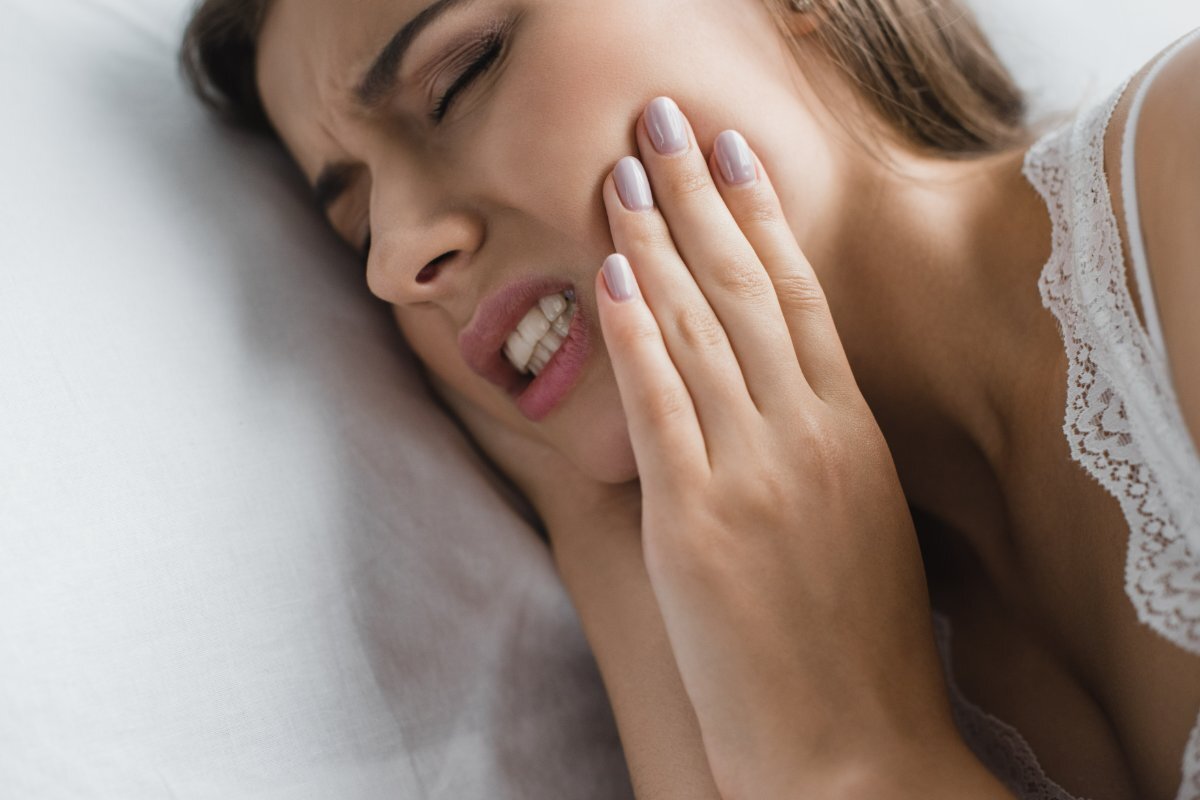
Have you ever spent an entire day with little or no dental discomfort, only to wake up with sudden, throbbing tooth pain when you lie down at night? Perhaps the pain wakes you from sleep, intensifies when you close your eyes, or makes it hard to find a comfortable sleeping position. If this sounds familiar, you may have an underlying dental problem that needs attention.
Sudden nighttime tooth pain can be frustrating, especially when it interferes with eating, concentrating, and getting enough rest. But what causes it? Is it a cavity, an infected tooth, a cracked filling, or a gum issue? More importantly, should you wait until morning to contact a dentist?
For residents of Machesney Park, IL, understanding the possible causes of nighttime toothaches can help you recognize warning signs and make informed decisions about dental care. At Machesney Dental Studio, Dr. Esha Munshi understands the importance of identifying the source of dental discomfort and discussing appropriate treatment options.
In this article, we explore why tooth pain may suddenly worsen at night, what dental conditions can cause it, what you can do for temporary relief, and when you should seek professional attention.
Why Does Tooth Pain Get Worse at Night?
Tooth pain does not always follow a predictable pattern. You might feel mild sensitivity in the afternoon and then develop intense discomfort after bed.
One reason is that lying down can make existing throbbing discomfort feel more noticeable. Position changes may increase pressure around an already inflamed area. Additionally, nighttime provides fewer distractions, making it easier to notice pain that you might have overlooked during a busy day.
Inflammation inside a tooth can also cause persistent discomfort. When the dental pulp becomes irritated or infected, the nerves may respond strongly to temperature changes, pressure, and other stimuli.
The American Association of Endodontists (AAE) identifies dental decay, cracked teeth, and infection among the possible sources of tooth pain. It also recognizes that tooth discomfort can interfere with sleep.
Nighttime pain should not automatically be considered harmless. If it repeatedly interrupts your sleep, arrange a dental evaluation to identify the underlying cause.
7 Common Causes of Sudden Tooth Pain That Gets Worse at Night
Several dental conditions can produce sudden or worsening nighttime discomfort. Understanding the differences may help you know when you need professional attention.
1. Deep Tooth Decay and Cavities
Tooth decay is one of the most common reasons for sudden tooth pain.
Cavities develop when bacteria in dental plaque produce acids that gradually damage tooth enamel. If decay progresses through the enamel and reaches the dentin underneath, the tooth may become increasingly sensitive.
You might notice:
- Sharp pain when drinking something cold or hot.
- Discomfort when eating sweets.
- Sensitivity when biting down.
- Persistent aching around one particular tooth.
- Pain that becomes more noticeable at night.
As decay advances, bacteria may reach the pulp, which contains the tooth’s nerves and blood vessels. This can result in inflammation and more intense discomfort.
According to the National Institute of Dental and Craniofacial Research (NIDCR), nearly 90% of U.S. adults ages 20–64 had experienced decay in their permanent teeth, based on the 2011–2016 survey period. More recent 2017–March 2020 data found that approximately 20.5% had untreated tooth decay.
These statistics demonstrate why regular dental examinations remain important, even when a cavity does not initially cause pain.
Possible treatment: Depending on the extent of decay, treatment may involve a dental filling, crown, or root canal treatment.
2. Pulpitis or Inflammation of the Tooth Nerve
Have you noticed tooth pain that continues even after you stop eating or drinking?
Pulpitis occurs when the soft tissue inside a tooth becomes inflamed. This tissue, known as the dental pulp, contains nerves, blood vessels, and connective tissue.
Deep cavities, cracks, trauma, and repeated dental procedures can contribute to pulp inflammation.
There are two main types:
Reversible pulpitis: The inflammation is relatively mild, and discomfort generally occurs in response to triggers such as cold drinks or sweet foods. The pain usually stops shortly after the trigger is removed.
Irreversible pulpitis: The inflammation is more severe, and the pulp may no longer recover. Pain can occur spontaneously, linger after exposure to heat or cold, and become particularly disruptive at night.
Common symptoms include:
- Persistent throbbing pain.
- Sensitivity to hot and cold temperatures.
- Pain that appears without an obvious trigger.
- Discomfort that interrupts sleep.
- Pain that may spread toward the jaw or ear.
The American Association of Endodontists explains that prolonged temperature sensitivity and spontaneous tooth pain can indicate problems involving the dental pulp.
Possible treatment: If the pulp is irreversibly damaged, root canal treatment may be recommended to remove the affected tissue, clean the inside of the tooth, and seal it. In some situations, extraction may be necessary.
3. Dental Abscess or Tooth Infection
A dental abscess is a collection of pus caused by a bacterial infection in or around a tooth.
It can develop when bacteria enter the pulp through deep decay, a crack, or an injury. Infection may then spread toward the root and surrounding tissues.
Nighttime discomfort associated with an abscess may feel intense, constant, and throbbing. You might also experience:
- Swelling around the gums or face.
- Pain when chewing.
- Sensitivity to hot and cold foods.
- A bad taste in your mouth.
- Pus or drainage near the affected tooth.
- Fever or swollen lymph nodes.
A dental abscess should not be ignored, even if the pain temporarily decreases. The infection can remain active and spread to nearby tissues.
The Centers for Disease Control and Prevention reports that approximately 1 in 5 adults ages 20–64 has at least one untreated cavity. Untreated cavities can progress to infections and dental abscesses.
Possible treatment: Depending on the source and severity of infection, treatment may involve draining the abscess, root canal therapy, or removing the affected tooth. Antibiotics may be appropriate in certain situations, but they do not replace treatment of the infected tooth.
4. Cracked or Fractured Teeth
A cracked tooth can cause sudden pain that worsens at night or when you bite down.
Cracks may develop from chewing hard foods, accidental injuries, teeth grinding, or weakened dental restorations.
Sometimes, a crack is difficult to see without a dental examination. However, certain symptoms may indicate a problem:
- Sharp pain when biting or releasing your bite.
- Sensitivity to cold drinks.
- Intermittent discomfort.
- Pain that comes and goes.
- Tenderness around one specific tooth.
A cracked tooth can expose sensitive inner structures and let bacteria reach deeper layers.
The American Association of Endodontists identifies biting discomfort as a possible symptom of a cracked tooth or pulp damage.
Possible treatment: Depending on the crack’s location and depth, treatment may include bonding, a dental crown, root canal therapy, or extraction if the tooth cannot be saved.
5. Teeth Grinding and Jaw Clenching
Do you wake up with sore teeth, a tired jaw, or a headache?
You may be experiencing bruxism, a condition involving involuntary teeth grinding or jaw clenching.
Many people grind their teeth during sleep without realizing it. Repeated pressure can strain the teeth, jaw muscles, and surrounding structures.
Over time, bruxism may contribute to:
- Tooth sensitivity.
- Worn-down enamel.
- Cracked or damaged teeth.
- Jaw soreness.
- Morning headaches.
- Discomfort when chewing.
Nighttime grinding can make existing dental problems more noticeable and may contribute to new damage.
Possible treatment: Your dentist may recommend a custom night guard to reduce direct contact between the upper and lower teeth. If grinding has damaged a tooth, you may also need restorative treatment.
6. Gum Disease and Gum Infections
Tooth pain does not always originate inside the tooth itself. Sometimes, discomfort develops in the gums and supporting structures.
Gum disease begins when plaque accumulates around the gumline. Early gum inflammation, known as gingivitis, may cause redness, swelling, and bleeding when you brush.
If the condition progresses to periodontitis, it can affect deeper tissues and the bone supporting the teeth.
Potential warning signs include:
- Swollen or tender gums.
- Bleeding during brushing or flossing.
- Persistent bad breath.
- Gum recession.
- Loose teeth.
- Discomfort when chewing.
An infection around the tooth’s supporting structures can also cause localized pain and swelling.
Possible treatment: Depending on the condition, treatment may include professional dental cleaning, scaling and root planing, periodontal maintenance, or additional periodontal procedures.
7. Sinus Pressure and Referred Tooth Pain
Not every toothache originates from a dental problem.
Your upper back teeth are located close to the maxillary sinuses, air-filled spaces behind your cheeks. Sinus inflammation caused by allergies, colds, or sinus infections can create pressure that feels like tooth pain.
You may notice:
- Aching in several upper teeth.
- Pressure around the cheeks.
- Nasal congestion.
- Facial tenderness.
- Discomfort that changes when bending forward.
Unlike a typical cavity, sinus-related discomfort may affect multiple upper teeth rather than one specific tooth.
If dental problems have been ruled out, a medical evaluation may help identify whether sinus inflammation is responsible.
Why Does Tooth Pain Sometimes Start Suddenly?
Tooth pain can develop even if you haven’t noticed any previous dental problems.
Several factors can explain a sudden onset:
- Advanced decay: A cavity may gradually deepen until it reaches sensitive structures inside the tooth.
- A damaged restoration: An old filling or crown may loosen, crack, or develop leakage around its edges.
- Food trapped between teeth: Food particles can irritate the gums and create localized pressure.
- Dental trauma: Biting something hard or accidentally hitting a tooth can damage its structure.
- Infection: Bacterial activity can cause inflammation around the tooth root or inside the pulp.
- Wisdom tooth problems: A partially erupted wisdom tooth can develop inflammation or infection in the surrounding gum tissue.
Sudden pain does not necessarily mean the problem developed overnight. In many cases, an underlying condition has been progressing without obvious symptoms.
That is why a dental exam matters when discomfort appears unexpectedly.
What Warning Signs Mean Nighttime Tooth Pain Needs Immediate Attention?
Some toothaches can wait for a scheduled dental appointment, while others require urgent evaluation.
Watch for symptoms that occur alongside the pain.
Contact a dentist promptly if you experience:
- Severe or persistent tooth pain.
- Pain that repeatedly wakes you from sleep.
- Swelling around the gums, jaw, or cheek.
- Pain when biting or chewing.
- Pus or an unpleasant taste in your mouth.
- A fever accompanying dental pain.
- A broken tooth with significant sensitivity.
When is tooth pain a medical emergency?
Facial or neck swelling accompanied by difficulty breathing, swallowing, or speaking can indicate a spreading infection that threatens the airway.
Seek emergency medical attention immediately rather than waiting for a routine dental appointment.
According to Mayo Clinic, a tooth abscess can cause severe, continuous pain, fever, facial swelling, and difficulty breathing or swallowing when the infection spreads.
How Can You Relieve Sudden Tooth Pain at Night?
If tooth pain begins after regular dental office hours, a few temporary measures may help you remain more comfortable until professional care is available.
However, remember that home remedies do not eliminate cavities, repair cracks, or cure dental infections.
1. Keep Your Head Slightly Elevated
Try sleeping with your head elevated using an extra pillow. Some people find that this position reduces the throbbing sensation associated with nighttime toothaches.
Avoid lying completely flat if doing so makes the discomfort worse.
2. Rinse With Warm Salt Water
Mix approximately half a teaspoon of salt into a glass of warm water.
Gently rinse your mouth and spit out the solution. This may help clear debris and soothe irritated oral tissues.
Do not use excessively hot water.
3. Apply a Cold Compress
If your cheek is swollen or uncomfortable, apply a cold compress to the outside of your face.
Use it for approximately 15–20 minutes at a time, allowing breaks between applications.
Avoid placing ice directly against the affected tooth or gum.
4. Avoid Foods That Trigger Pain
Avoid foods and beverages that are especially hot, cold, sugary, sticky, or hard.
Choose softer foods and, if possible, chew on the opposite side of your mouth.
5. Consider Appropriate Over-the-Counter Pain Relief
Over-the-counter medications such as ibuprofen or acetaminophen may temporarily reduce dental discomfort.
Follow the package directions and consider your medical history, existing medications, allergies, and any contraindications. Ask a healthcare professional or pharmacist if you are unsure which medication is appropriate.
Never place aspirin directly on a tooth or gum because it can irritate or burn oral tissues.
The American Dental Association’s MouthHealthy resource recommends rinsing with warm water, gently flossing to remove trapped food, and seeing a dentist if the toothache persists.
How Does a Dentist Diagnose the Cause of Nighttime Tooth Pain?
Identifying the underlying source of pain is essential because different dental conditions require different treatments.
At Machesney Dental Studio, patients can discuss their dental symptoms with Dr. Esha Munshi and receive an evaluation based on their individual concerns.
A dental examination may involve several steps.
1. Reviewing your symptoms
Your dentist may ask when the pain started, whether it becomes worse at night, and whether eating or drinking triggers discomfort.
You may also be asked whether the pain is sharp, dull, throbbing, or continuous.
2. Examining the affected tooth
The dentist checks for cavities, cracks, damaged fillings, gum inflammation, swelling, and other visible problems.
3. Testing tooth sensitivity
Temperature and other clinical tests may help determine whether the dental pulp is irritated or damaged.
4. Taking dental X-rays
When appropriate, X-rays help identify decay between teeth, changes around tooth roots, and certain infections that cannot be evaluated through a visual examination alone.
5. Discussing treatment options
Once the likely cause is identified, your emergency dentist in Machesney Park can explain the recommended treatment, expected process, and whether additional evaluation is necessary.
What Treatments Can Stop Nighttime Tooth Pain?
Treatment depends on the condition responsible for the discomfort. Relieving the pain matters, but addressing the underlying cause is essential for long-term oral health.
| Dental problem | Possible treatment |
| Small or moderate cavity | Dental filling |
| Extensive tooth decay | Dental crown |
| Irreversibly inflamed pulp | Root canal treatment |
| Dental abscess | Drainage and treatment of the infected tooth |
| Cracked tooth | Bonding or dental crown, depending on severity |
| Teeth grinding | Custom night guard |
| Gum infection | Periodontal treatment |
| Sinus-related discomfort | Medical evaluation and appropriate sinus treatment |
For example, a filling may restore a tooth affected by decay before the damage reaches the pulp. If bacteria have infected the pulp, root canal treatment may help preserve the natural tooth.
An abscess requires treatment of the infection’s source. Antibiotics alone are not a substitute for appropriate dental treatment.
The earlier a dental problem is identified, the more opportunity there is to manage it before it affects additional tooth structure or surrounding tissues.
How Can You Prevent Tooth Pain From Returning at Night?
Although not every dental problem can be prevented, consistent oral hygiene and preventive care can reduce your risk of developing conditions associated with toothaches.
Consider these everyday habits:
- Brush twice daily: Use fluoride toothpaste and a soft-bristled toothbrush to remove plaque and protect enamel.
- Clean between your teeth: Floss or use another recommended interdental cleaner every day.
- Limit sugary snacks and drinks: Frequent sugar exposure contributes to the conditions that cause tooth decay.
- Avoid chewing hard objects: Ice, hard candy, and similar items can damage enamel and restorations.
- Wear a night guard when recommended: This may protect teeth if you grind or clench during sleep.
- Attend routine dental examinations: Regular visits allow your dentist to identify developing concerns before they become painful.
- Do not ignore sensitivity: Repeated discomfort when eating or drinking deserves professional evaluation.
The CDC’s 2024 oral health surveillance information reports that approximately 20.5% of U.S. adults ages 20–64 had untreated tooth decay in the 2017–March 2020 survey period. This highlights the importance of preventive care and timely treatment.
For families in Machesney Park, maintaining a consistent dental care routine can help reduce the likelihood of unexpected dental discomfort and more complicated restorative needs.
Conclusion
Sudden tooth pain that gets worse at night can have several causes, including deep cavities, pulp inflammation, dental abscesses, cracked teeth, teeth grinding, gum infections, and sinus pressure. Although lying down and nighttime distractions may make discomfort more noticeable, recurring or severe pain should never be dismissed as normal during sleep.
Temporary relief measures may help you get through the night, but they cannot replace professional diagnosis and treatment. Persistent throbbing, swelling, fever, and sensitivity are important reasons to seek dental attention.
At Machesney Dental Studio, Dr. Esha Munshi can evaluate your dental concerns, help identify possible causes of tooth pain, and discuss appropriate treatment options. Whether you are experiencing sudden discomfort or want to prevent future dental problems, timely attention can make an important difference.
Visit our dental practice in Machesney Park, IL. Book now to schedule your appointment with our team.
Frequently Asked Questions
1. What dental services can I receive at your dental practice?
Our dentist at Machesney Dental Studio can evaluate your oral health and discuss appropriate preventive, restorative, and cosmetic dental treatment options. Our goal is to help patients understand their dental needs and make informed decisions about their care.
2. How often should I schedule a dental checkup?
Most patients should schedule a dental examination and professional cleaning every six months. However, our dentist may recommend more frequent visits depending on your oral health, gum condition, and risk of developing dental problems.
3. Can I visit your dentist if I have sudden tooth pain?
Yes. If you experience sudden, persistent, or worsening tooth pain, contact our dental practice to arrange an evaluation. Our dentist can examine the affected area and discuss appropriate treatment options.
4. What should I bring to my first dental appointment?
Bring your identification, dental insurance information if applicable, a list of current medications, and any relevant dental records or recent X-rays. Our dentist can review your dental history and discuss your current concerns.
5. How can I schedule an appointment at Machesney Dental Studio?
Contact Machesney Dental Studio to request an appointment. Our dentist can discuss your concerns, evaluate your oral health, and help you understand the next steps for maintaining healthy teeth and gums.
