
Coffee and tea are daily habits for many people in Machesney Park, but both beverages are known for causing stubborn tooth stains over time. Dark pigments and tannins in these drinks can cling to enamel, leaving teeth looking dull or discolored even with regular brushing. Fortunately, modern cosmetic dentistry offers several whitening options designed to improve tooth color while supporting enamel health. Understanding the different treatments available can help you choose an approach that fits your lifestyle and oral care needs.
Professional In-Office Whitening Treatments
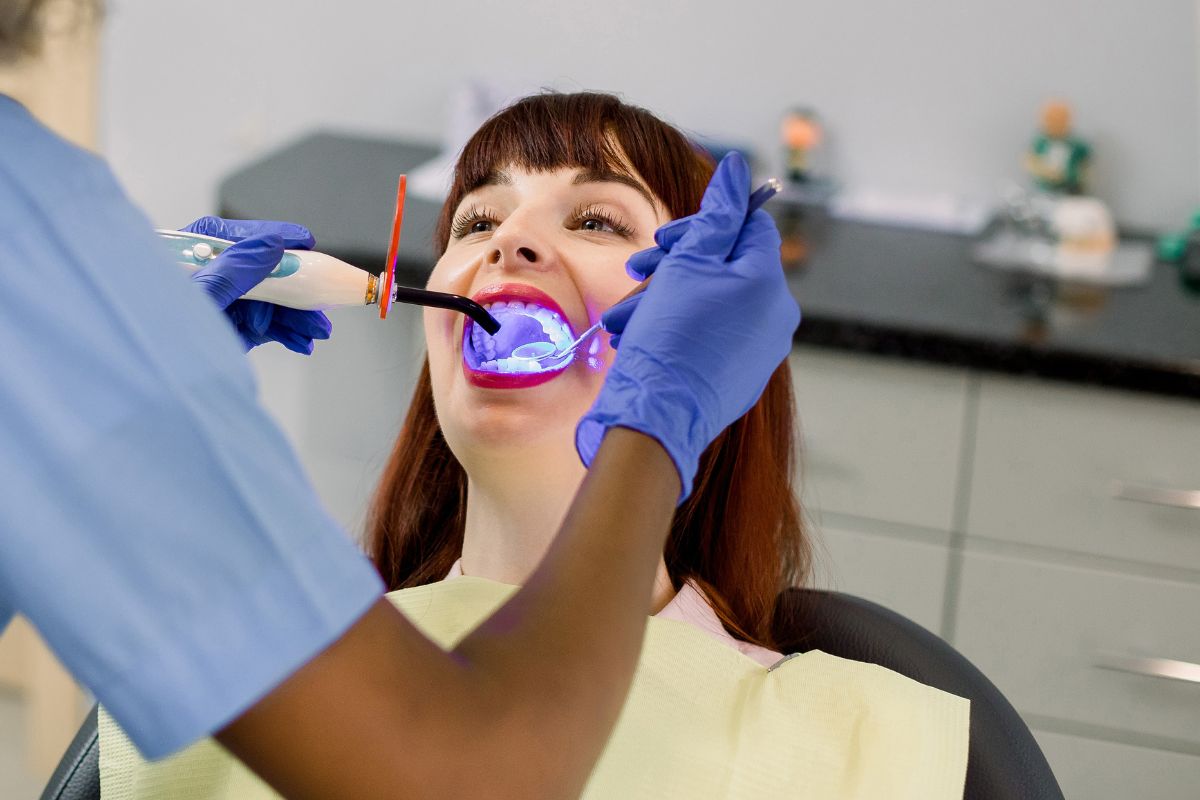
Professional whitening treatments remain among the most effective options for reducing deep stains from coffee and tea. These treatments use concentrated whitening agents that are carefully applied under dental supervision. Because the process is closely monitored, patients often achieve more even whitening results than with many store-bought products.
Faster Results With Professional Care
In-office whitening treatments are commonly completed in a single visit, making them a popular option for individuals preparing for special events or professional gatherings. The controlled application also helps reduce unnecessary gum irritation.
Custom Whitening Trays for At-Home Use
Custom whitening trays provided by a dentist allow patients to whiten their teeth gradually at home. The trays are designed to fit the teeth closely, helping the whitening gel spread more evenly across the enamel surface.
Many people interested in teeth whitening in Machesney Park choose custom trays because they offer flexibility and can be worn for longer periods to manage ongoing staining from coffee and tea.
Personalized Trays Help Improve Comfort
Unlike generic whitening trays sold in stores, custom trays are designed to fit the patient’s mouth more precisely. This fit may help reduce gum exposure to whitening gel and improve comfort during treatment.
Whitening Toothpaste for Surface Stains
Whitening toothpaste is often used to help remove mild surface stains between professional treatments. These products usually contain polishing agents that help lift stains from dark beverages.
Daily Maintenance Supports Brighter Teeth
While whitening toothpaste may not dramatically change natural tooth color, it can help maintain results and reduce the formation of new stains. Brushing consistently and using a soft toothbrush can also help protect enamel from unnecessary wear.
Whitening Strips for Convenient Treatment
Whitening strips are another option commonly used by coffee and tea drinkers. These thin strips contain whitening gel and are placed directly on the teeth for a specific amount of time each day.
Patients who visit our dental office in Machesney Park often ask whether whitening strips are suitable for long-term stain management. While strips can help with mild discoloration, overuse may increase sensitivity in some individuals.
Following Instructions Helps Reduce Sensitivity
Using whitening strips exactly as directed is important for protecting enamel and minimizing irritation. Patients with sensitive teeth may benefit from consulting a dentist before beginning at-home whitening treatments.
Dental Bonding for Severe Discoloration
In cases where stains do not respond well to traditional whitening treatments, cosmetic bonding may help improve the appearance of discolored teeth. Bonding uses tooth-colored material to cover stains and create a more even appearance.
Bonding Can Improve Tooth Appearance Quickly
Dental bonding is sometimes used for patients with deeper discoloration or uneven enamel that does not respond evenly to whitening products.
Healthy Habits Help Whitening Results Last Longer
Reducing exposure to stain-causing beverages can help preserve whitening results. Drinking water after coffee or tea and maintaining regular dental cleanings may reduce future discoloration.
Consistent Oral Care Protects Your Smile
Daily brushing, flossing, and routine exams all help maintain a cleaner, brighter appearance after whitening treatments.
Find the Right Whitening Solution for Your Smile
Coffee and tea stains can gradually affect confidence in your smile, but several whitening options are available to improve the appearance safely. Professional treatments, whitening trays, and cosmetic solutions may help brighten teeth while supporting long-term oral health.
If you are considering whitening treatments for stained teeth, our team is here to help you explore suitable options for your smile goals. Contact us today to schedule a consultation and take the next step toward a brighter appearance.
FAQs
1. Can coffee stains be removed completely with whitening treatments?
Many whitening treatments can significantly reduce coffee stains, though results vary depending on the depth of discoloration.
2. Are whitening treatments safe for enamel?
Professional whitening treatments are generally designed to minimize damage when used properly and under dental guidance.
3. How long do whitening results usually last?
Results may last several months or longer, depending on oral hygiene habits and how often stain-causing beverages are consumed.
4. Do whitening toothpastes work on deep stains?
Whitening toothpaste is usually more effective on surface stains than on deeper discoloration.
5. Can whitening strips cause tooth sensitivity?
Some people experience temporary sensitivity after using whitening strips, especially if they are overused.
6. Is dental bonding used for stained teeth?
Yes, bonding may help improve the appearance of teeth with stains that do not respond well to whitening products.
7. How can I reduce staining from coffee and tea?
Drinking water after beverages, brushing regularly, and scheduling routine dental cleanings may help reduce stain buildup.
