
A severe tooth infection can cause intense pain, swelling, and discomfort that may quickly interfere with your daily life. If left untreated, the infection can spread beyond the tooth and lead to more serious health concerns. Residents in Machesney Park should recognize the warning signs and seek prompt care when symptoms appear. Understanding how an emergency dentist in Machesney Park treats severe tooth infections can help you act quickly and protect your oral health before complications develop.
What Is a Severe Tooth Infection?
A tooth infection, also called a dental abscess, occurs when bacteria enter the inner portion of the tooth through untreated decay, cracks, or damaged fillings. The infection creates a pocket of pus that causes pressure, inflammation, and pain.
Common symptoms include persistent toothache, swelling around the affected tooth, sensitivity to hot or cold foods, a bad taste in the mouth, fever, swollen lymph nodes, or difficulty chewing. In advanced cases, facial swelling may occur, necessitating immediate dental care.
How Emergency Dentists Diagnose the Problem
Comprehensive Examination
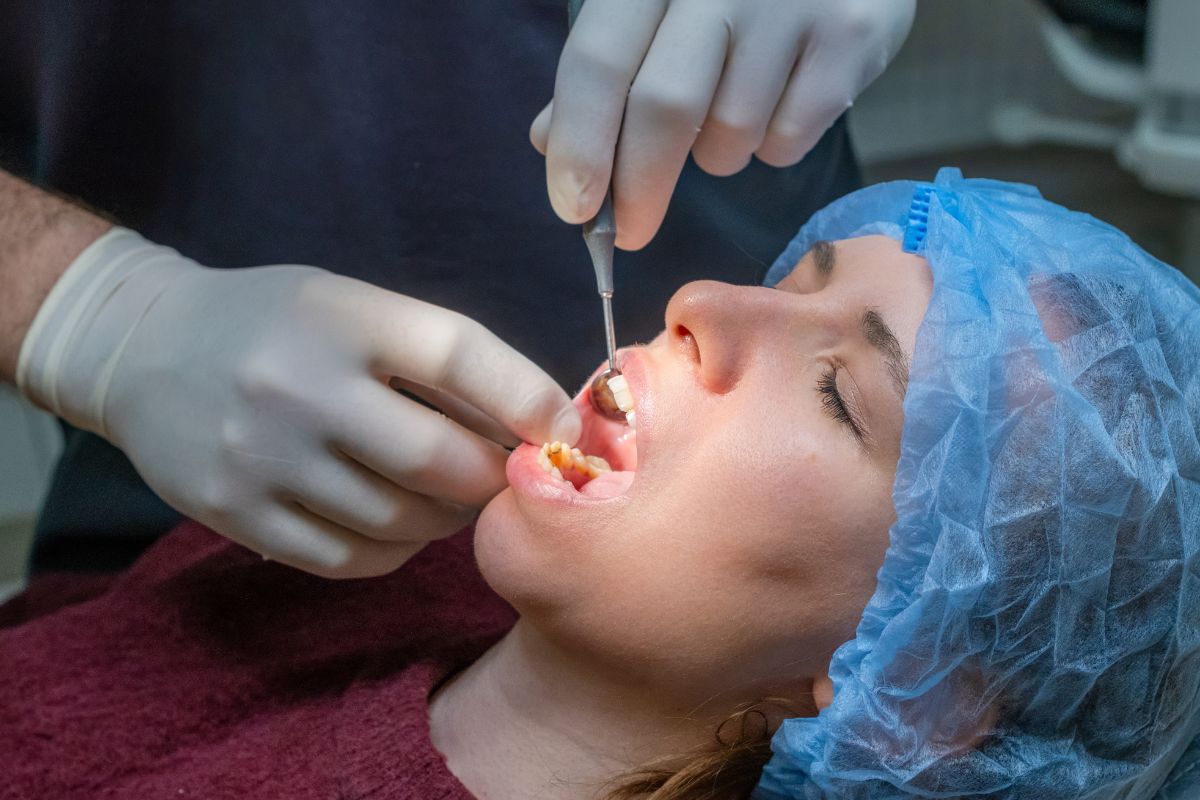
Emergency dentists begin by evaluating your symptoms and performing a thorough examination of your teeth, gums, and surrounding tissues. They carefully identify the source of the infection and determine how far it has progressed.
Digital Dental Imaging
Digital X-rays allow the dentist to view the infection beneath the gumline and inside the tooth. This helps identify damage to the tooth root, surrounding bone, or neighboring teeth, allowing for an accurate diagnosis and treatment plan.
Treatment Options for Severe Tooth Infections
The treatment recommended depends on the severity and location of the infection. Patients in Machesney Park searching for an emergency dentist often receive one or more of the following treatments to eliminate infection and preserve oral health whenever possible.
Draining the Abscess
If a large pocket of infection has formed, the dentist may carefully drain the abscess to relieve pressure and reduce swelling. Removing the infected fluid often provides noticeable relief while preventing the infection from spreading further.
Root Canal Therapy
When the tooth can still be preserved, root canal treatment removes the infected pulp from inside the tooth. After thorough cleaning and disinfecting the canals, the tooth is sealed to prevent future bacterial growth. This allows patients to retain their natural tooth while eliminating the infection.
Tooth Extraction When Necessary
If the tooth has sustained significant damage that cannot be restored, extraction may be the safest option. Removing the infected tooth helps stop the infection and protects nearby teeth and tissues from further complications.
Antibiotic Therapy
Infections that have spread beyond the tooth may require antibiotics to control bacterial growth. While antibiotics help manage infection, they are typically used alongside dental treatment rather than as a standalone solution.
Why Prompt Treatment Matters
Ignoring a severe tooth infection can allow bacteria to spread into the jawbone, surrounding soft tissues, or even other areas of the body. Delaying treatment may increase discomfort and require more extensive procedures later.
Receiving timely care helps reduce pain, preserve healthy teeth whenever possible, and minimize the risk of additional complications. Acting early often leads to a smoother recovery and improved long-term oral health.
Caring for Your Mouth After Emergency Treatment
Recovery depends on following your dentist’s instructions carefully. Patients are often advised to maintain gentle brushing, rinse as directed, stay hydrated, and avoid chewing on the treated side until healing progresses.
Regular dental checkups, daily brushing and flossing, and early treatment of cavities can significantly reduce the likelihood of future infections. If you experience new pain or swelling after treatment, contact your dental provider promptly.
If you have concerns about tooth pain or swelling, visit our dental office in Machesney Park for a thorough evaluation before the problem worsens.
Severe tooth infections should never be ignored because they can progress rapidly and affect both oral and overall health. Emergency dentists are equipped to diagnose the source of the infection, relieve discomfort, and provide treatments that restore dental health while preventing further complications. Seeking care as soon as symptoms develop greatly improves your chances of preserving your natural teeth and avoiding further complications.
If you’re experiencing severe tooth pain, swelling, or signs of infection, don’t wait. Contact us today to schedule an emergency appointment and receive prompt care for your dental needs.
Frequently Asked Questions
1. What are the first signs of a severe tooth infection?
Common signs include persistent tooth pain, swelling, sensitivity to temperature, fever, and a bad taste in the mouth.
2. Is a tooth infection considered a dental emergency?
Yes. A severe tooth infection requires immediate attention to prevent the infection from spreading.
3. Can antibiotics alone cure a tooth infection?
Antibiotics help control bacterial growth, but most infections also require dental treatment such as a root canal or extraction.
4. How quickly should I see a dentist if I have facial swelling?
Facial swelling should be evaluated as soon as possible because it may indicate that the infection is spreading.
5. Will every infected tooth need to be removed?
No. Many infected teeth can be preserved with root canal treatment if treated early.
6. How can I reduce my risk of future tooth infections?
Brush twice daily, floss every day, attend regular dental exams, and treat cavities before they become severe.
7. Can a cracked tooth lead to an infection?
Yes. Cracks allow bacteria to enter the tooth, increasing the risk of infection if not treated promptly.
