
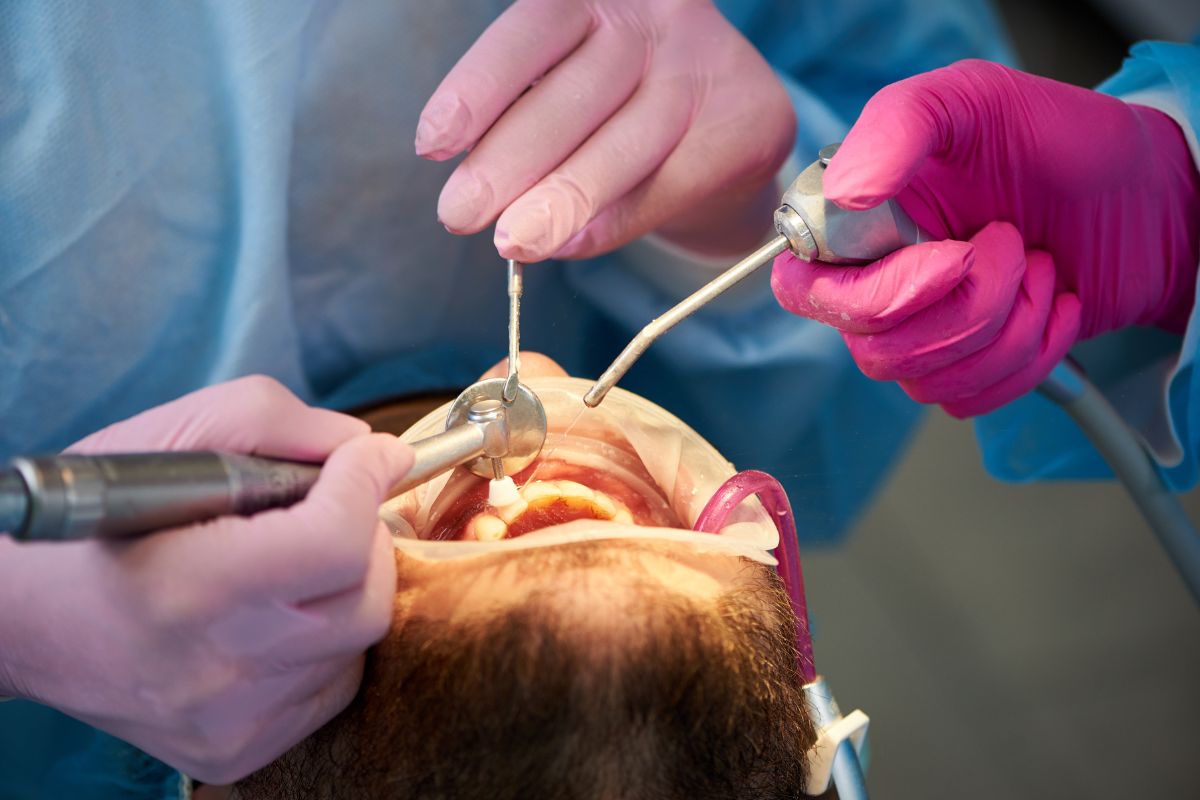
A toothache can range from mild sensitivity to intense pain that makes it difficult to eat, sleep, or concentrate. In Machesney Park, knowing when dental discomfort requires urgent attention can help you respond appropriately. Some toothaches may be linked to temporary sensitivity, while others can indicate infection, injury, or significant tooth damage. Recognizing warning signs can help you seek professional care before the problem becomes more serious.
Warning Sign One: Severe or Persistent Tooth Pain
Pain That Does Not Go Away Needs Attention
A toothache that continues for hours or repeatedly returns should not be ignored. Persistent pain may be associated with advanced decay, inflammation of the tooth’s inner tissues, a cracked tooth, or an infection.
If pain becomes severe, interferes with sleep, or makes it difficult to eat and drink normally, prompt dental evaluation is important. Temporary relief from pain medication does not necessarily address the underlying cause.
Warning Sign Two: Swelling Around the Tooth or Face
Swelling Can Indicate an Infection
Swelling around the gums, jaw, cheek, or face can be a warning sign of an infection. A dental abscess may develop when bacteria enter the inner portion of a tooth or surrounding tissues.
Patients seeking an emergency dentist in Machesney Park should seek prompt dental attention when tooth pain is accompanied by noticeable swelling. If swelling affects breathing or swallowing, seek emergency medical care immediately.
Warning Sign Three: Fever or Feeling Unwell
Systemic Symptoms Should Not Be Ignored
A fever accompanied by tooth pain may indicate that an infection is affecting more than the immediate area around the tooth. You may also experience fatigue, chills, swollen lymph nodes, or a general feeling of being unwell.
These symptoms warrant prompt evaluation because a dental infection can spread into surrounding tissues if left untreated.
Warning Sign Four: A Cracked, Broken, or Knocked-Out Tooth
Dental Trauma Requires Prompt Attention
A cracked, fractured, or severely damaged tooth may expose sensitive inner structures and increase the risk of infection. Dental injuries can occur during sports, falls, accidents, or everyday activities.
A knocked-out permanent tooth requires particularly prompt attention. If possible, handle the tooth by the crown rather than the root, keep it moist, and seek immediate dental care. Do not attempt to force it back into its socket.
Warning Sign Five: Difficulty Opening Your Mouth or Swallowing
Serious Symptoms Need Urgent Evaluation
Difficulty opening your mouth, swallowing, or breathing alongside dental pain or swelling can indicate a more serious infection or significant inflammation. These symptoms should not be managed at home. If breathing or swallowing becomes difficult, seek emergency medical attention immediately. For other urgent dental symptoms, contacting an emergency dentist in Machesney Park can help determine the appropriate next step. You can also request an appointment to have your symptoms evaluated promptly.
What to Do When Tooth Pain Becomes an Emergency
Prompt Care Can Help Prevent Complications
When severe tooth pain or other warning signs develop, avoid delaying care or attempting to treat the underlying problem yourself. Your dental provider can examine the tooth, determine the likely cause, and recommend appropriate treatment.
When you visit our dental office in Machesney Park, your dental team can evaluate urgent dental concerns and explain the next steps based on your symptoms and oral health.
Do Not Ignore Serious Tooth Pain
Recognizing Warning Signs Matters
Not every toothache is a dental emergency, but severe or persistent pain, facial swelling, fever, dental trauma, and difficulty swallowing or breathing require prompt attention. Acting quickly can help address the underlying problem and protect your oral health.
If you are experiencing concerning dental symptoms, contact us to discuss your situation and arrange an appropriate dental evaluation.
Frequently Asked Questions
1. How do I know if my toothache is a dental emergency?
Severe or persistent pain, facial swelling, fever, dental trauma, or difficulty swallowing or breathing can indicate an urgent dental problem.
2. Can a tooth infection cause facial swelling?
Yes. A dental infection or abscess can cause swelling around the gums, jaw, cheek, or face and requires prompt professional evaluation.
3. Is a knocked-out permanent tooth an emergency?
Yes. A knocked-out permanent tooth requires immediate attention. Handle it carefully by the crown, keep it moist, and seek dental care promptly.
4. Can I wait if my toothache temporarily goes away?
Temporary relief does not necessarily mean the underlying problem has resolved. Recurring or persistent pain should be evaluated by a dental professional.
5. When should I seek emergency medical care for tooth pain?
Seek emergency medical care if dental swelling or infection causes difficulty breathing or swallowing, or if you develop other severe symptoms.
6. What should I do while waiting for urgent dental care?
Keep the area clean, avoid chewing on the affected side, and follow appropriate directions for over-the-counter pain medication if you can safely take it.
7. Can a cracked tooth cause severe pain?
Yes. A cracked tooth may cause sharp or persistent pain, particularly while biting or when exposed to hot or cold foods and drinks.
