
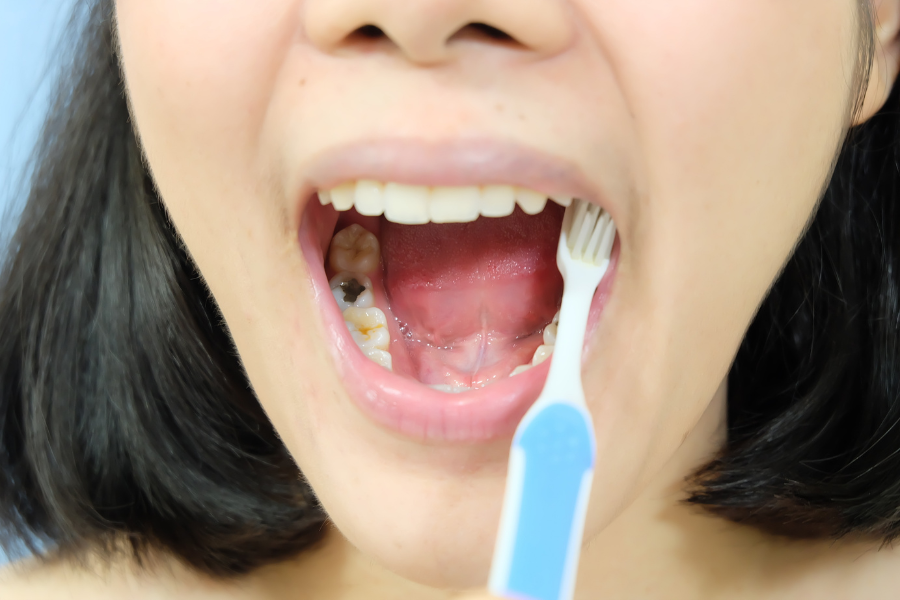
Brushing your teeth twice a day is a good habit. So is flossing. But if you think those two steps are enough to keep your mouth fully healthy, there is a part of the story you are missing. Professional dental cleanings do things that no toothbrush or floss can do, no matter how careful you are at home.
People across Machesney Park rely on their local dental teams for more than just fillings and checkups. Whether someone is seeing a cosmetic dentist Machesney Park for smile work or visiting for a routine cleaning, that appointment does far more than most people expect. This post walks you through what professional cleanings actually do, why they matter for your long-term health, and what you can expect when you sit in that dental chair.
What Your Toothbrush Cannot Do on Its Own
Your toothbrush removes soft plaque from the surface of your teeth. That matters. But plaque that sits on your teeth too long turns into tartar, also called calculus. Tartar is hard and sticky. Once it forms, no amount of brushing will remove it. Only a dental hygienist with the right tools can clear it away.
Tartar buildup leads to gum irritation, swelling, and eventually gum disease. Left untreated, gum disease can cause tooth loss. It has also been linked to heart disease, diabetes, and other conditions that affect your overall health. Regular professional cleanings stop this cycle before it starts.
What Happens During a Professional Cleaning
A lot more happens during a cleaning visit than most people realize.
Scaling is the step where your hygienist uses small tools to gently scrape tartar off your teeth, including areas along and just below the gumline. This removes buildup that brushing always leaves behind.
Polishing comes next. Your teeth are polished with a gritty paste that smooths the surface so plaque has a harder time sticking in the future. It also lifts light surface stains.
Professional flossing clears out debris between your teeth. A fluoride rinse or treatment is often added at the end to help strengthen your enamel.
Most cleaning visits also include a dental exam. The dentist checks for signs of cavities, gum disease, cracks, and other issues. X-rays may be taken to spot problems that are not visible to the eye.
Early Detection Makes a Real Difference
One of the most valuable parts of a professional cleaning is the exam that comes with it. Dental problems caught early are much easier and less expensive to treat. A small cavity found at a routine cleaning is a simple filling. The same cavity ignored for a year or two can mean a root canal or even tooth loss.
Dentists also screen for oral cancer during routine visits. This check takes only a minute but can be life-saving. Oral cancer found early has a much better outcome than cancer found later.
Residents who regularly see a dentist in Machesney Park benefit from this kind of attentive, ongoing care. A local dentist gets to know your dental history and can spot changes over time that a one-time visit might miss completely.
How Cleanings Connect to Your Overall Health
Your mouth is connected to the rest of your body in ways that are easy to overlook. Bacteria from gum disease can enter your bloodstream and affect your heart, lungs, and other organs. Research continues to show a clear link between poor oral health and serious conditions like cardiovascular disease, type 2 diabetes, and even pregnancy complications.
A professional cleaning removes the bacteria and inflammation that drive these risks. It is one of those simple steps that protects your whole body, not just your teeth.
Cleanings and Cosmetic Dental Care Go Hand in Hand
Many people in the area turn to a cosmetic dentist Machesney Park when they want to improve how their smile looks. Whitening, veneers, bonding, and clear aligners are all popular options. But here is something worth knowing: cosmetic work holds up much better when the foundation is clean and healthy. Gums that are inflamed or teeth coated in tartar are not in the best condition for cosmetic treatment.
Cleanings done before cosmetic procedures give the dentist a clearer picture of what they are working with. And cleanings done after help protect the results. A polished, clean surface also responds better to whitening treatments, because built-up stains and residue can block the process from working evenly.
If you have been thinking about improving your smile, the first conversation worth having is about getting your oral health in good shape. That starts with a professional cleaning.
How Often Should You Get a Professional Cleaning?
For most adults, twice a year is the standard recommendation, which is once every six months. Some people need more frequent visits. If you have a history of gum disease, diabetes, or other risk factors, your dentist may suggest cleanings every three or four months.
Children should also start dental visits early. The American Dental Association recommends a child’s first visit by age one or within six months of their first tooth appearing. Getting kids comfortable with dental visits early helps them build habits that last a lifetime.
Talk to your dentist about what schedule fits your specific needs. Your situation is not the same as your neighbor’s, and a good dental team will tailor recommendations to you.
Dental Care in Machesney Park
Machesney Park is a close-knit community in Winnebago County, just north of Rockford, Illinois. With a population of around 23,000, it has the feel of a hometown where local businesses genuinely care about the people they serve.
Dental care in this area covers a wide range of ages and needs. From young children getting their first exam to seniors managing long-term oral health, a dentist in Machesney Park offers the kind of continuity that larger city practices often cannot match. Patients are not just a file number here. They are part of the same community.
If you have been putting off a dental visit because of cost concerns, fear, or a packed schedule, you are not alone. But the longer you wait, the more likely a small issue will grow into a bigger one. Local dental offices are familiar with these concerns and work with patients to make care more accessible.
Conclusion
Professional cleanings are not a luxury or an add-on to your oral care routine. They are a necessary part of keeping your teeth, gums, and overall health in good shape. Brushing and flossing at home set a solid foundation, but they cannot replace what a trained hygienist and dentist can do during a clinical visit.
Whether you are overdue for a routine check, curious about what a cosmetic dentist Machesney Park can do for your smile, or simply have not been in a while, the right time to act is now. Connecting with a local dental team means getting care from someone who knows your community and is invested in your long-term well-being.
Take the first step for your smile. Schedule a consultation with a trusted dentist in Machesney Park today and give your teeth the care they deserve.
Frequently Asked Questions
1. How is a professional cleaning different from brushing at home?
Brushing removes soft plaque from tooth surfaces. A professional cleaning removes hardened tartar that brushing cannot touch, cleans below the gumline, and includes a dental exam to catch problems early.
2. Does a professional cleaning hurt?
For most people, it is painless. You may feel mild pressure or sensitivity, especially near the gumline. If you have sensitive teeth or gum disease, let your hygienist know before they start.
3. How often should adults get a professional cleaning?
Twice a year is the general guideline. Some patients with gum disease or other risk factors benefit from visits every three to four months. Your dentist will advise based on your specific situation.
4. Can a professional cleaning whiten my teeth?
Cleanings remove surface stains and polish your teeth, which can make them look brighter. They are not a substitute for whitening treatments, but they are a great first step before any cosmetic procedure.
5. Is it safe to get a cleaning while pregnant?
Yes. Regular dental cleanings are safe and encouraged during pregnancy. Hormonal changes during pregnancy can increase the risk of gum disease, so keeping up with visits is especially important.
6. What happens if I skip professional cleanings for a few years?
Tartar builds up, gum disease can develop, and small problems become bigger ones. Skipping cleanings can lead to cavities, bone loss, and eventually tooth loss. It also tends to make the next cleaning visit more involved.
7. At what age should children start getting professional cleanings?
Children should have their first dental visit by age one or when their first tooth appears. Regular cleanings can begin once there are enough teeth to clean, usually around age two or three.
8. Do I need a cleaning before cosmetic dental work?
In most cases, yes. A cosmetic dentist will want your teeth and gums to be in good health before starting any cosmetic treatment. A clean, healthy mouth gives cosmetic work the best chance to last and look its best.
