
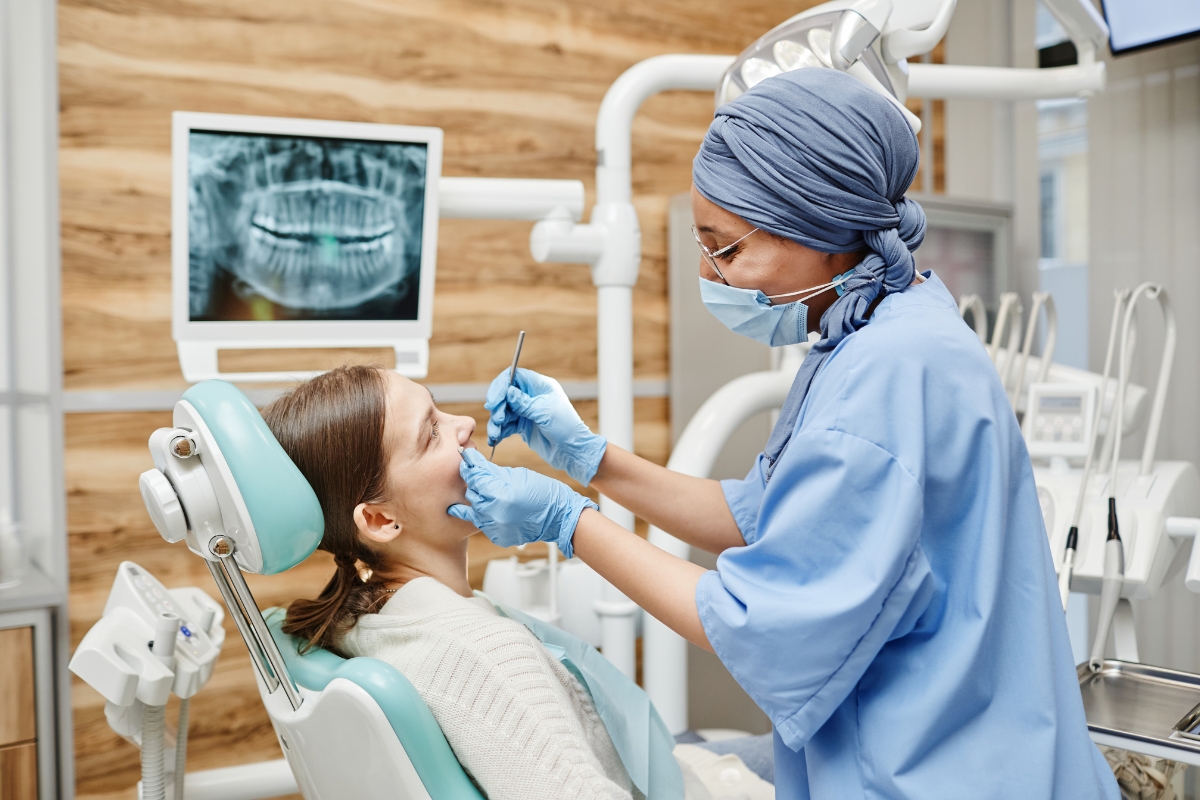
Pregnancy is a delicate time in a woman’s life, and maintaining oral health is an essential part of overall wellness. However, dental emergencies can still occur, and it’s important to know how to handle them, especially when pregnant. In this article, we will discuss how pregnant patients should manage dental emergencies, providing helpful advice and answering some common questions. If you find yourself facing a dental emergency while pregnant, it’s crucial to take the right steps to protect both your health and your baby’s.
Understanding Dental Emergencies During Pregnancy
Dental emergencies are unexpected and urgent situations that require immediate care. These include severe tooth pain, broken or cracked teeth, gum infections, or accidents that result in dental trauma. For pregnant women, these issues can become more complicated due to hormonal changes, the physical demands of pregnancy, and the potential impact of treatments on both the mother and the baby.
It’s natural to worry about the risks of dental treatments during pregnancy. However, dental care during pregnancy is generally safe and important for preventing complications like infections that could affect the baby. To ensure both your well-being and your baby’s health, always seek professional guidance when a dental emergency arises.
What to Do in Case of a Dental Emergency?
Here are the steps you should follow if you face a dental emergency during pregnancy:
- Search for a ‘Dentist Near Me’: The first step is always to search for an emergency dentist near me. Many dental offices have emergency services or can provide recommendations for urgent care.
- Describe Your Symptoms: When calling, explain your situation clearly. Mention that you’re pregnant and describe the severity of your symptoms. This will help the dentist determine whether immediate treatment is necessary.
- Avoid Certain Medications: Some medications used for dental pain relief may not be suitable during pregnancy. For example, some over-the-counter pain relievers like ibuprofen should be avoided. Always discuss your options with the dentist.
- Use Cold Compresses: If you experience swelling or pain, applying a cold compress to the affected area can help reduce discomfort while you wait to see the dentist.
- Stay Calm: It’s natural to feel anxious about dental care during pregnancy, but try to remain calm. The dentist will guide you through the treatment options, ensuring the safety of both you and your baby.
- Follow Up: After the dental emergency is addressed, make sure to follow up with your dentist for any additional care or preventive measures to avoid further dental problems.
Essential Tips for Managing Dental Health During Pregnancy
Pregnancy brings many changes to a woman’s body, and dental health is no exception. Here are some important tips and considerations to help manage your oral health during this time:
Hormonal Changes and Oral Health
Pregnancy hormones can lead to an increased risk of gum disease, especially gingivitis, which causes gums to become inflamed and bleed easily. It’s essential to maintain good oral hygiene, including brushing twice daily, flossing, and using an antimicrobial mouthwash. Regular dental check-ups during pregnancy can help prevent gum disease and other oral issues.
Morning Sickness and Dental Care
Morning sickness is common during pregnancy, and frequent vomiting can expose your teeth to stomach acid. Rinsing your mouth with water or a fluoride mouthwash after vomiting can help neutralize the acid and protect your enamel. However, avoid brushing your teeth immediately after vomiting, as the acid softens enamel, and brushing too soon can cause damage.
Avoiding Certain Dental Products
Some over-the-counter products, like certain mouthwashes or whitening agents, may not be safe during pregnancy due to their ingredients. Always consult with your dentist before using any new oral care products, particularly if you’re pregnant.
Dental Visits and Timing
The best time to schedule dental work during pregnancy is during the second trimester (around 14 to 20 weeks). This is when the risk of complications is lower, and you’re likely to feel more comfortable. However, routine dental exams and cleanings are safe throughout pregnancy and should not be delayed.
Nutrition and Oral Health
Eating a balanced diet during pregnancy is not only important for your overall health but also for your oral health. Ensure that you get enough calcium, vitamin D, and phosphorus to support your teeth and bones. Avoid sugary snacks and drinks, as they can increase your risk of tooth decay.
Dental Problems to Watch Out For
Pregnant women are at higher risk for tooth decay and gum disease. If you notice any changes in your gums (such as swelling, redness, or bleeding) or if you experience severe tooth pain, be sure to contact the best professional while searching for ‘dentist near me’. It’s important not to ignore these symptoms as untreated issues can lead to complications.
Dental Anxiety and Pregnancy
It’s normal to feel anxious about dental procedures during pregnancy. If you are nervous, discuss your concerns with your dentist. They may be able to offer calming techniques or adjust treatments to ensure you feel as comfortable as possible during your visit. Remember that keeping up with dental appointments can prevent more serious issues later on.
By following these tips and maintaining a strong partnership with your dentist, you can ensure that your pregnancy is as healthy as possible, not only for you but for your baby too.
Ensure a Healthy Smile for You and Your Baby! Seek Professional Care Now!
Dental emergencies can happen at any time, and knowing how to handle them during pregnancy is crucial for both your health and the health of your baby. Whether you’re dealing with severe tooth pain, a broken tooth, or an infection, it’s important to act quickly and seek care from the most reliable professional while searching for ‘emergency dentist near me’. If you’re experiencing a dental emergency, don’t wait! Schedule a consultation with a trusted dental professional.
Dental treatments during pregnancy are generally safe, and with proper care, you can minimize any risks. Remember, contacting a local dental clinic right away is the key to preventing further complications and protecting your smile during this special time.
Common FAQs
1. Can I have dental X-rays during pregnancy?
Generally, dental X-rays are avoided during pregnancy unless absolutely necessary. If an X-ray is required, the dentist will use protective measures to minimize any risk to the baby.
2. Are dental fillings safe during pregnancy?
Yes, dental fillings are generally safe during pregnancy. Your dentist will choose the safest materials and ensure that the treatment is appropriate for your stage of pregnancy.
3. Is it safe to have a tooth extracted while pregnant?
Tooth extractions may be necessary in some emergencies, and they are generally safe during pregnancy, especially in the second trimester. Your dentist will avoid unnecessary procedures and discuss the risks with you.
4. Can I take pain relief for a dental emergency while pregnant?
Some pain relievers, such as acetaminophen (Tylenol), are considered safe during pregnancy. However, you should avoid ibuprofen or aspirin, as they can pose risks to the pregnancy.
5. How can I prevent dental emergencies during pregnancy?
Good oral hygiene is the best prevention. Brush twice a day, floss daily, and visit your dentist regularly. Additionally, avoid sugary foods that can lead to cavities.
6. Can pregnancy affect my teeth and gums?
Yes, pregnancy can increase the risk of gum disease and other oral issues due to hormonal changes. Regular dental check-ups can help manage these risks.
7. What should I do if I have dental anxiety during pregnancy?
Speak with your dentist about your concerns. They can provide calming techniques and make adjustments to ensure a more comfortable experience.
