
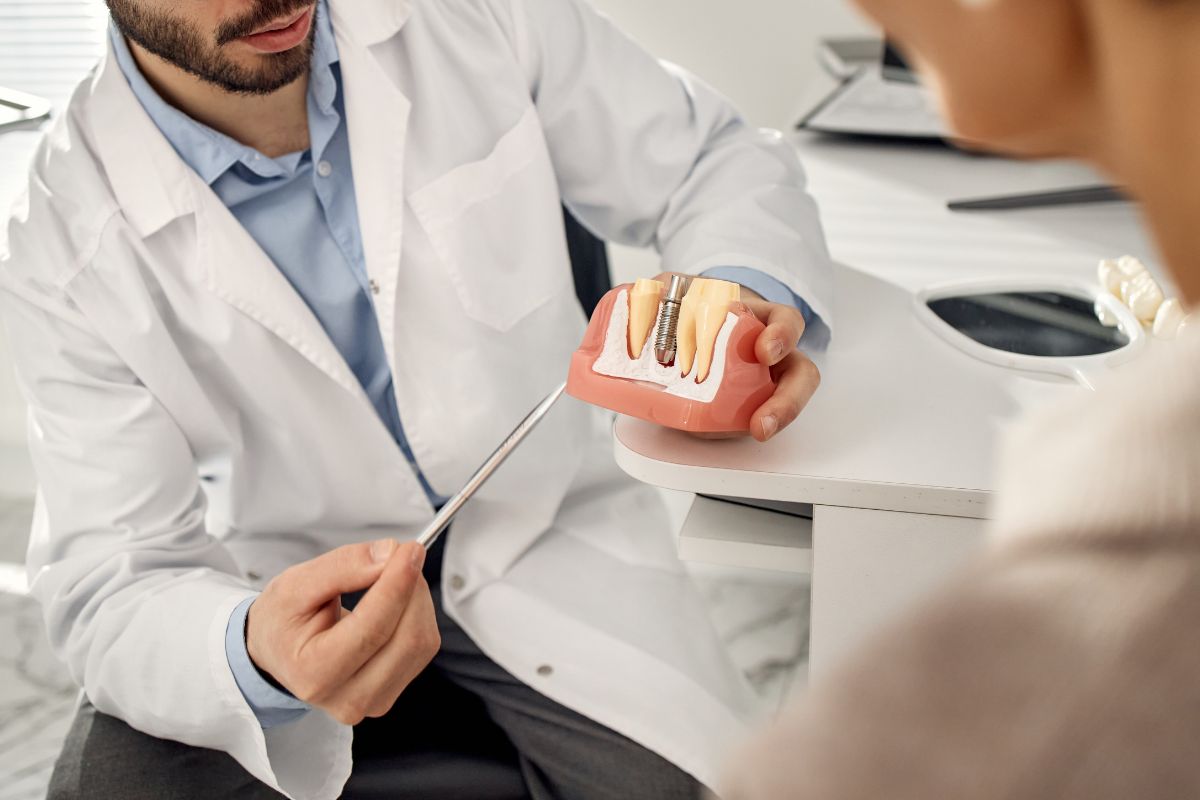
If you’ve recently received a dental implant in Machesney Park, it’s natural to wonder whether everything is healing the way it should. Dental implants are designed to function like natural teeth, but the healing process takes time and careful attention. Knowing what’s normal—and what’s not—can help you feel more confident as your mouth recovers and adjusts.
Understanding the Dental Implant Healing Process
After placement, your implant begins a process called osseointegration, in which it fuses with the jawbone. This phase can take several weeks to a few months. During this time, your body is working to secure the implant in place, creating a stable foundation for your future restoration.
It’s common to experience mild swelling, slight discomfort, and minor bleeding within the first few days. These symptoms should gradually improve rather than worsen. Following your dentist’s aftercare instructions plays a major role in how smoothly your recovery progresses.
Signs Your Dental Implant Is Healing Properly
Minimal and Decreasing Discomfort
Some soreness is expected after surgery, especially within the first 48 to 72 hours. However, healing is typically on track if the discomfort becomes less noticeable each day. Over-the-counter pain relief and proper rest usually help manage this phase.
Healthy Gum Appearance
Your gums should appear pink and gradually firm up around the implant site. While slight redness may occur early on, it should not persist or intensify. Healthy tissue is a strong indicator that your implant is integrating well.
Stable Implant Position
An implant should feel secure in your mouth. It shouldn’t move or shift when you eat or speak. Stability is a key sign that the bone is bonding correctly with the implant post.
Controlled Swelling
Swelling is a normal response after surgery, but it should peak within a couple of days and then subside. Applying cold compresses during the initial period can help manage this effectively.
Monitoring Healing Progress in Machesney Park
Patients in Machesney Park receiving dental implant treatment often benefit from routine follow-ups to ensure healing is progressing as expected. These visits allow your dentist to assess bone integration and gum health while addressing any concerns early.
Maintaining oral hygiene is essential during this stage. Gently brushing around the implant site and using recommended rinses can help prevent infection and support recovery. If you notice persistent discomfort, unusual swelling, or discharge, it’s important to visit our dental office in Machesney Park for an evaluation.
When Something Might Be Wrong
Persistent Pain or Swelling
If pain persists beyond the first week or worsens over time, it could indicate an issue such as an infection or improper healing.
Gum Recession or Darkening
Gums pulling away from the implant or appearing darker than usual may indicate complications that need attention.
Implant Movement
Any looseness in the implant is not normal and should be addressed immediately, as it may affect long-term success.
Supporting a Smooth Recovery
Following post-procedure guidelines is one of the most effective ways to ensure proper healing. This includes avoiding hard or sticky foods, not smoking, and attending all scheduled checkups. Staying consistent with oral hygiene routines also plays a critical role in preventing complications.
Take the Next Step
If you have concerns about your recovery or want to ensure everything is healing properly, contact us today. Our team is here to guide you through every stage of your implant journey and help you maintain long-term oral health.
FAQs
1. How long does it take for a dental implant to heal?
Healing typically takes a few weeks for the gums and several months for full bone integration.
2. Is some pain normal after a dental implant?
Yes, mild discomfort is expected initially, but it should gradually decrease within a few days.
3. What should my gums look like after implant surgery?
They should appear pink and firm, with minimal redness as healing progresses.
4. Can I eat normally after getting a dental implant?
You should stick to soft foods at first and gradually return to your regular diet as advised by your dentist.
5. How do I know if my implant is infected?
Signs may include persistent pain, swelling, pus, or a bad taste in your mouth.
6. Is it normal for my implant to feel slightly different?
Yes, it may feel unfamiliar at first, but it should not feel loose or painful over time.
7. When should I contact my dentist after implant surgery?
Reach out if you notice ongoing discomfort, swelling, or any unusual changes around the implant site.
