
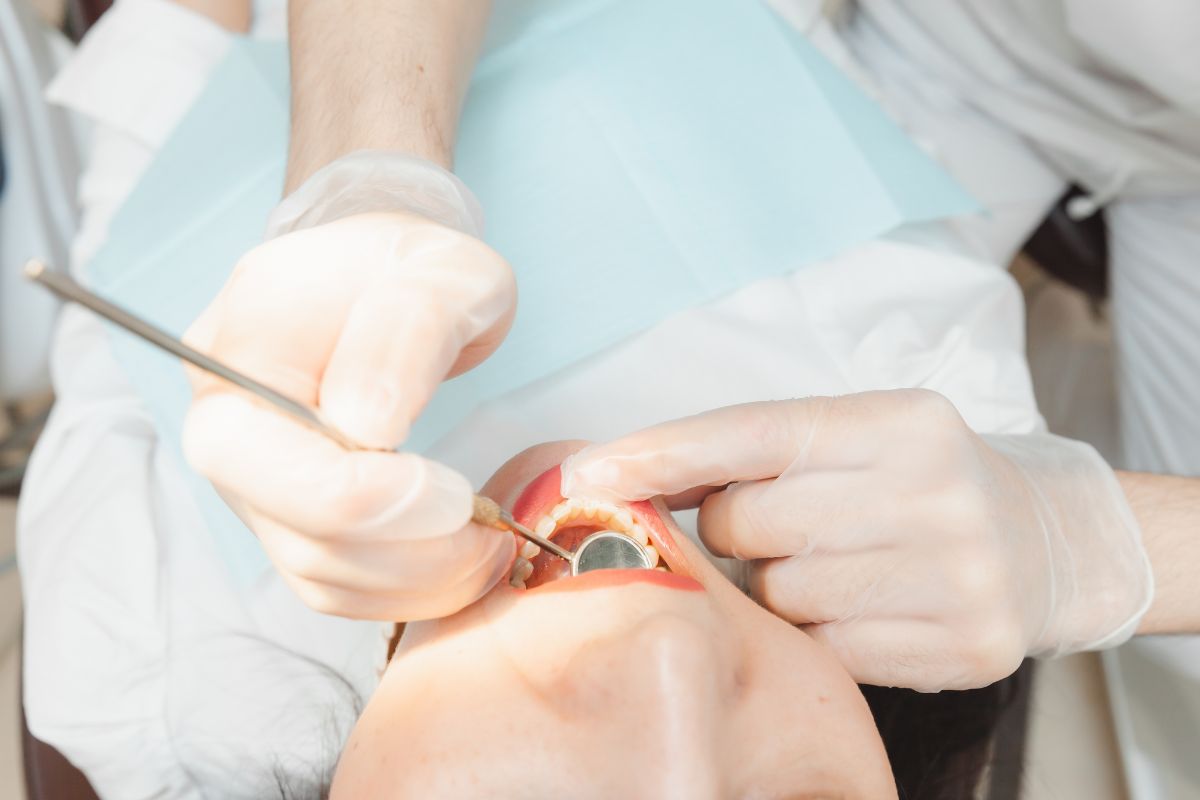
Dental pain can start as a mild annoyance but quickly escalate into something much more serious if left untreated. In places like Machesney Park, many people delay dental visits until symptoms become severe. However, recognizing early warning signs of an infected tooth can help prevent complications and protect your oral health. Understanding when endodontic treatment is necessary can make all the difference in saving your natural tooth and avoiding further discomfort.
What Is an Infected Tooth?
An infected tooth occurs when bacteria enter the inner pulp, causing inflammation and infection. This often results from untreated cavities, cracks, or trauma. When the pulp becomes infected, a root canal procedure is typically required to remove the infection and restore the tooth.
Common Warning Signs You Shouldn’t Ignore
Persistent Tooth Pain
One of the most noticeable signs is ongoing tooth pain that doesn’t go away. This discomfort may feel sharp, throbbing, or deep within the tooth. It can worsen when chewing or applying pressure and may even radiate to the jaw or ear.
Sensitivity to Hot and Cold
If you experience lingering sensitivity after consuming hot coffee or cold drinks, it could indicate nerve damage inside the tooth. This is often an early sign that the infection has reached deeper layers.
Swollen or Tender Gums
Swelling around a specific tooth is another clear indicator of infection. The gums may appear red, tender, or even develop a small bump resembling a pimple. This bump, known as an abscess, can release pus and cause a bad taste in your mouth.
Tooth Discoloration
An infected tooth may appear darker than surrounding teeth. This discoloration occurs when internal tissue is damaged or dies, signaling the need for immediate dental attention.
When to Seek Immediate Dental Care
Facial Swelling or Fever
If the infection spreads, it can lead to facial swelling or even fever. At this stage, the condition is more serious and requires urgent care. Seeking help from an emergency dentist in Machesney Park ensures timely intervention and prevents the infection from spreading further.
Difficulty Chewing or Opening Your Mouth
Advanced infections can make it painful to chew or even open your mouth fully. This restriction can interfere with daily activities and indicates that the infection has progressed significantly.
Why Endodontic Treatment Is Necessary
Endodontic treatment, commonly known as a root canal, removes the infected pulp and disinfects the inside of the tooth. This procedure not only relieves pain but also preserves the natural tooth structure. Ignoring these symptoms can lead to tooth loss or the spread of infection to other areas of the body.
If you notice any of these warning signs, it’s important to visit our dental office in Machesney Park promptly for evaluation and care. Early treatment can help prevent more extensive procedures and effectively restore your oral health.
Take Action for Your Dental Health
Ignoring dental pain or swelling can lead to complications that are harder to manage over time. If you’re experiencing any of these symptoms, don’t wait for them to worsen. Contact us today to schedule an appointment and get the care you need to protect your smile and overall well-being.
FAQs
1. What causes a tooth infection?
A tooth infection is typically caused by untreated cavities, cracks, or trauma that allow bacteria to reach the inner pulp.
2. Can a tooth infection go away on its own?
No, a tooth infection will not resolve without treatment. Professional care is required to remove the infection.
3. Is a root canal painful?
Modern techniques and anesthesia make root canal procedures comfortable for most patients.
4. How long can I wait before treating an infected tooth?
Delaying treatment can worsen the infection and lead to complications. It’s best to seek care as soon as symptoms appear.
5. What happens if an infected tooth is left untreated?
The infection can spread to surrounding tissues, cause severe pain, and may result in tooth loss.
6. How can I prevent tooth infections?
Regular dental checkups, proper brushing, flossing, and addressing cavities early can help prevent infections.
7. When should I see an emergency dentist?
You should seek immediate care if you experience severe pain, swelling, fever, or difficulty chewing or opening your mouth.
