
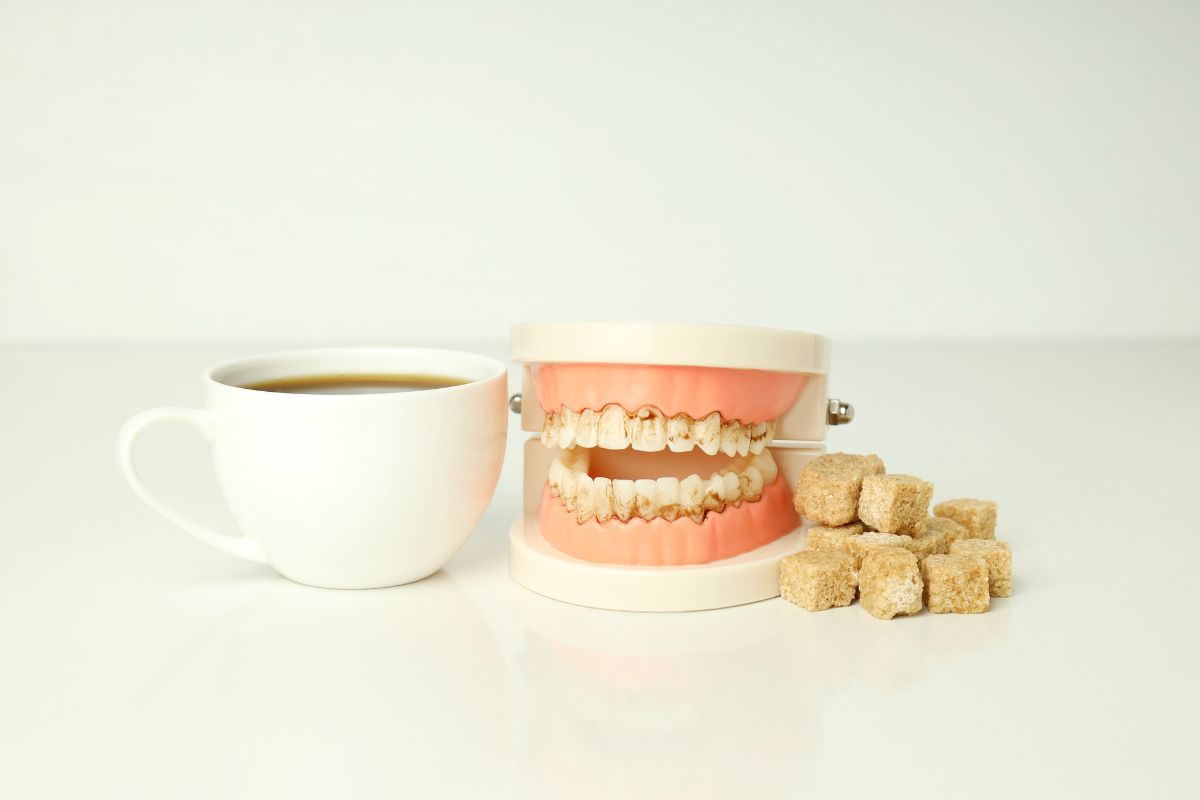
In Machesney Park, many people enjoy sweet treats as part of their daily routine, but there is often confusion about how sugar truly affects oral health. Some believe sugar itself directly destroys teeth, while others assume brushing alone eliminates all risks. The reality is more complex, involving bacteria, acids, and long-term oral hygiene habits that work together to influence dental health.
How Sugar Really Affects Teeth
Sugar does not immediately damage teeth on contact. Instead, it fuels bacteria that naturally live in the mouth. These bacteria break down sugar and produce acids as a byproduct. Over time, these acids begin to weaken tooth enamel, which can lead to cavities if not managed properly.
This process is gradual and depends heavily on how often sugar is consumed rather than just the quantity. Frequent exposure keeps acid levels in the mouth elevated, increasing the risk of enamel erosion.
Myth: Sugar Is the Only Cause of Cavities
Reality: Multiple Factors Contribute
One common myth is that sugar alone causes tooth decay. In reality, cavities form due to a combination of factors, including oral hygiene habits, saliva flow, and bacterial activity.
When individuals in Machesney Park search for a trusted dentist, they often learn that plaque buildup and inconsistent cleaning routines play just as much of a role as sugar intake. Even people who consume minimal sugar can develop cavities if oral care is neglected.
Myth: Brushing Immediately After Sugar Prevents All Damage
Reality: Timing and Technique Matter
It is often believed that brushing right after eating sugar completely prevents damage. However, enamel can be temporarily softened by acid exposure, and brushing too soon may contribute to wear.
Allowing saliva to naturally neutralize acids before brushing can be more beneficial. Proper brushing twice a day and flossing remain essential, but timing plays a supportive role in enamel protection.
Myth: Only Candy and Sweets Harm Teeth
Reality: Hidden Sugars Are Common
Sugar is not limited to candy or desserts. Many processed foods, sauces, and beverages contain hidden sugars that contribute to acid production in the mouth.
Patients in Machesney Park who visit a trusted dentist are often surprised to learn that everyday items like flavored yogurt, cereal, and sports drinks can affect oral health just as much as traditional sweets. Awareness of these sources helps reduce unnecessary exposure.
Myth: Sugar Effects Are Immediate and Permanent
Reality: Damage Develops Over Time
Another misconception is that sugar causes instant tooth damage. In reality, enamel breakdown happens gradually through repeated acid exposure.
Early signs, such as sensitivity or white spots, can often be managed with proper care and regular dental visits. Preventive habits play a strong role in slowing or stopping progression.
Importance of Regular Dental Care
Routine checkups help identify early signs of enamel wear, plaque buildup, and cavity formation before they become more serious concerns. Professional cleanings remove hardened plaque that cannot be addressed at home.
For individuals in Machesney Park, maintaining consistent dental visits helps support long-term oral health and balanced hygiene habits. It is also a time to receive personalized guidance on diet and daily care routines. Many patients choose to visit our dental office in Machesney Park for ongoing preventive support.
If you have concerns about sugar’s effect on your teeth or want to improve your oral health routine, professional guidance can help.
Contact us today to schedule an appointment and take a proactive step toward protecting your teeth.
FAQs
1. Does sugar directly cause tooth decay?
No, sugar feeds bacteria that produce acids, which then damage enamel over time.
2. Can brushing remove all sugar effects?
Brushing helps reduce bacteria, but it cannot reverse enamel erosion once it begins.
3. Are natural sugars safer for teeth?
Natural sugars still contribute to acid production and can affect enamel if consumed frequently.
4. Why do some people get cavities more easily?
Genetics, saliva flow, hygiene habits, and diet all influence cavity risk.
5. Is fruit harmful because it contains sugar?
Fruit contains natural sugars but also fiber and water, which reduce overall impact when eaten in moderation.
6. How often should I visit a dentist?
Regular dental visits every six months help monitor oral health and prevent decay.
7. Can enamel repair itself after sugar exposure?
Early enamel damage can sometimes be remineralized with fluoride and good hygiene, but deeper decay requires treatment.
