
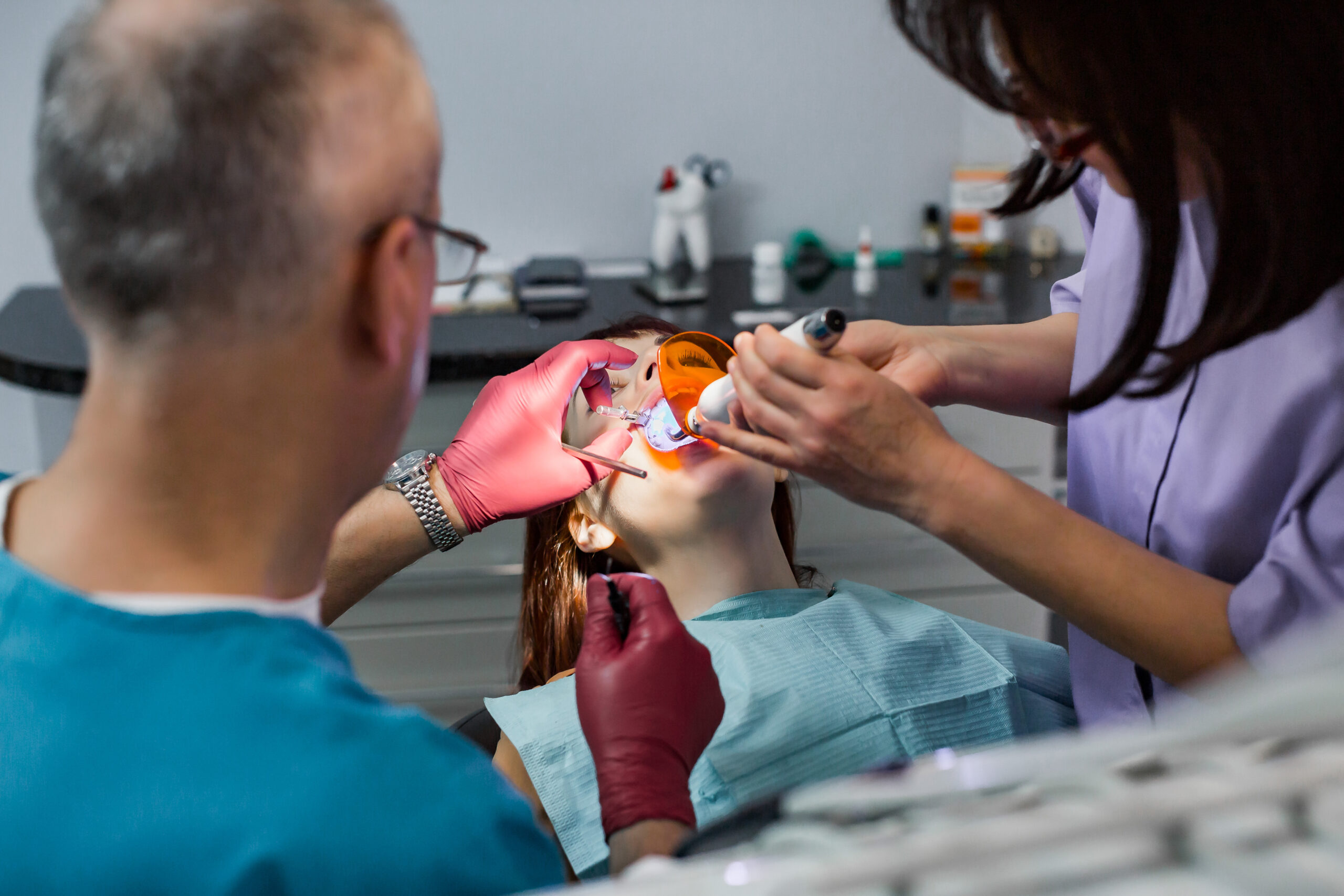
Nobody plans for a dental emergency. One minute you’re biting into an apple, and the next you’re dealing with a cracked tooth. These sudden problems can be painful, scary, and expensive. The good news is that many dental emergencies can be prevented with the right knowledge and habits.
Let me walk you through the most common dental emergencies and share practical ways to avoid them.
Knocked-Out Teeth
A knocked-out tooth is one of the most serious dental emergencies. It usually happens during sports, accidents, or falls. Kids and athletes face this risk more than others.
How to avoid it: Wear a mouthguard during any contact sport or activity where your face might get hit. Custom mouthguards from your dentist near me offer better protection than store-bought ones. If you have kids who play sports, make mouthguards part of their uniform.
If a tooth does get knocked out, keep it moist and get to an emergency dentist near me within 30 minutes. Time matters a lot for saving the tooth.
Cracked or Broken Teeth
Teeth can crack from biting hard foods, grinding at night, or using your teeth as tools. Old fillings can also make teeth more fragile.
How to avoid it: Stop chewing ice, hard candy, or popcorn kernels. Don’t open packages with your teeth. If you grind your teeth at night, ask your dentist about a night guard. Get old fillings checked regularly because they can weaken over time.
Severe Toothaches
A bad toothache often means decay has reached the nerve. It can also signal an infection or abscess. The pain can be intense and make it hard to eat, sleep, or focus.
How to avoid it: Brush twice a day and floss daily. This simple routine stops most cavities before they start. Visit your dentist every six months for cleanings and checkups. Small problems caught early never turn into emergencies.
When decay starts, it doesn’t hurt. By the time it hurts, you need urgent care from an emergency dentist near me.
Lost Fillings or Crowns
Fillings and crowns can fall out when eating sticky foods or if decay forms underneath them. This exposes sensitive tooth structure and can cause pain.
How to avoid it: Be careful with chewy or sticky foods like caramel and taffy. Get regular dental checkups so your dentist near me can spot weak fillings before they fail. If a filling feels rough or loose, get it fixed right away.
Abscesses and Infections
A dental abscess is a pocket of pus caused by bacterial infection. It can cause swelling, fever, and severe pain. Left untreated, the infection can spread to other parts of your body.
How to avoid it: Take care of cavities quickly. Don’t ignore tooth pain or sensitivity. These are warning signs that something needs attention. Good daily brushing and flossing keep bacteria under control.
If you notice swelling in your gums or face, don’t wait. This needs immediate care.
Broken or Loose Braces
Brackets and wires can break or poke into your cheeks and gums. This happens more often when eating hard or crunchy foods.
How to avoid it: Follow your orthodontist’s food guidelines. Avoid hard, sticky, or crunchy foods that can damage braces. Cut corn off the cob and slice apples instead of biting into them. Keep your orthodontic wax handy for quick fixes.
Soft Tissue Injuries
Cuts to your lips, cheeks, tongue, or gums can bleed a lot and need quick attention.
How to avoid it: Wear protective gear during sports. Be careful when eating foods with sharp edges like chips or hard bread crusts. Don’t rush when chewing.
Object Stuck Between Teeth
Food or objects wedged between teeth can cause pain and damage your gums if not removed carefully.
How to avoid it: Floss daily to keep spaces between teeth clean. Never use sharp objects to remove stuck food. Use dental floss or a water flosser instead. If something won’t come out with gentle flossing, call your dentist.
Common FAQs: Dental Emergencies
1. What counts as a dental emergency?
Severe pain, knocked-out teeth, broken teeth, uncontrolled bleeding, swelling, or infections need immediate care.
2. Should I go to the ER or find an emergency dentist?
For most dental emergencies, an emergency dentist near me is your best option. ERs can help with pain and infection but usually can’t fix dental problems.
3. Can I wait until Monday if my tooth breaks on Saturday?
It depends on the situation. If there’s severe pain, bleeding, or swelling, don’t wait. Many dentists offer weekend emergency hours.
4. How can I manage dental pain until I see a dentist?
Rinse with warm salt water, take over-the-counter pain relievers, and apply a cold compress to reduce swelling. Avoid very hot or cold foods.
Conclusion
Most dental emergencies don’t just happen. They develop over time from small problems that go ignored. Your daily habits make a huge difference in whether you’ll need urgent care. Start with the basics: brush, floss, and see your dentist regularly. Wear protection during sports. Treat your teeth with care. These simple steps prevent most emergencies from ever happening.
If you’re experiencing dental pain or problems right now, don’t put it off. Search for an emergency dentist near me and schedule an appointment today. Your teeth will thank you, and your wallet will too.
