
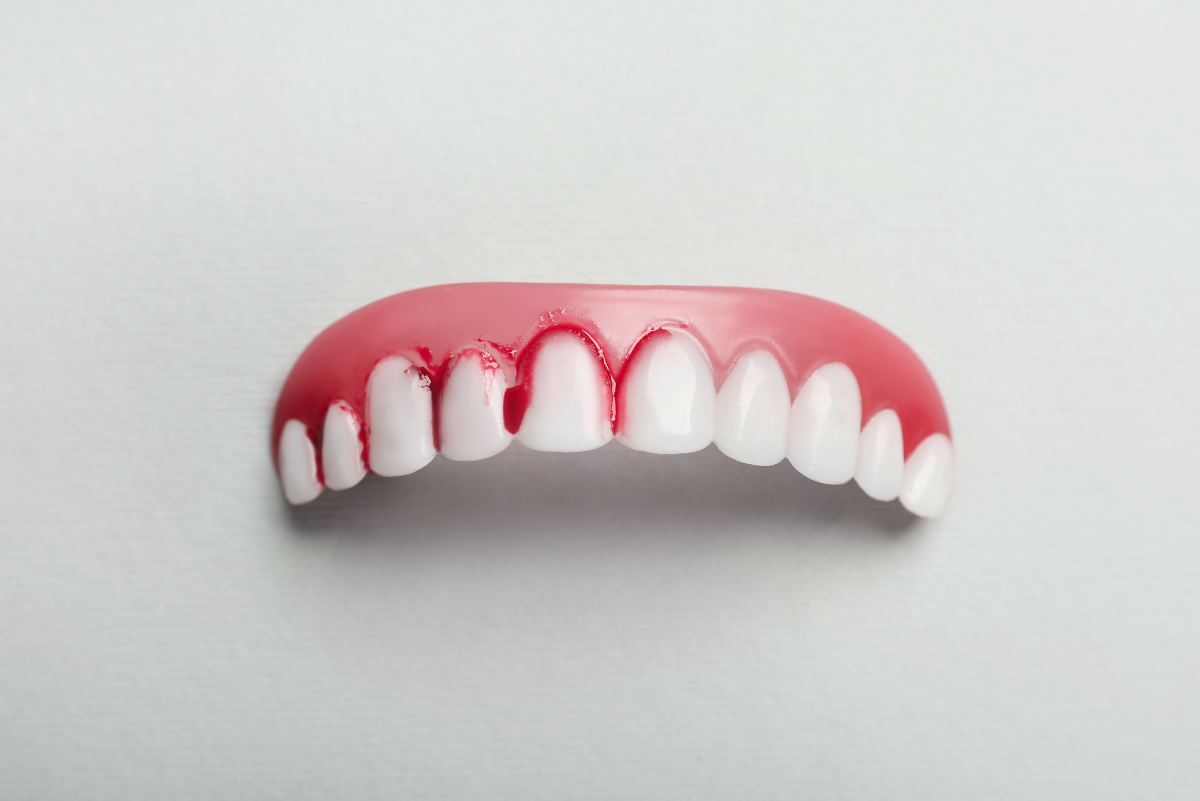
Dental injuries come without warning. A sudden slip on icy sidewalks in winter, biting down on a hard piece of candy during a family gathering, or an accidental elbow while playing sports at Harlem High School, these moments can lead to sudden bleeding in the mouth. When blood appears, panic is natural. You want to stop the bleeding fast, think clearly, and reach professional help as soon as possible. The reassuring part is that immediate steps at home can control bleeding, protect the injured area, and reduce risk until you visit a dentist in Machesney Park. Acting within minutes makes a difference, and knowing what to do keeps you calm when it matters most.
First, Stay Calm and Assess the Injury
Mouth injuries bleed more than expected because saliva mixes with blood and makes it appear worse. This can be alarming, especially for parents watching their child cry after a fall at Rock Cut State Park or during a weekend bike ride through the neighborhood. Take a slow breath, avoid panic, and focus on locating the source. Check whether the bleeding is from the lip, gum, tongue, or a tooth.
During cold months in North Park, slips on snowy driveways and playgrounds are common causes of dental trauma. In summer, outdoor sports and lake activities increase the risk of chipped and knocked-out teeth. Understanding what type of injury you’re dealing with helps you respond properly. If the tooth is cracked, broken, or dislodged, urgency matters even more. Clean the area gently so you can see the wound clearly. Remind yourself, most dental bleeds can be managed at home temporarily using simple, smart steps.
A Step-By-Step Guide to Stop the Bleeding
Here is how you can control bleeding before you seek professional care:
Rinse Gently with Clean Water
Start by rinsing lightly with clean, room-temperature water. A gentle rinse clears blood, food particles, and dirt. Avoid using mouthwash during this stage. Moreover, alcohol can irritate the tissue and increase bleeding. If debris remains stuck, do not scrub or apply force. Instead, use a clean cloth to dab carefully.
Apply Pressure with Gauze
Fold a clean gauze or sterile pad and place it directly on the injured site. Bite down gently or press with fingers to maintain steady pressure for 10–15 minutes. This is the most important action for clot formation. Replace the gauze if it becomes soaked. If gauze isn’t available, a clean cotton cloth or a tea bag works. Black tea contains tannins, which naturally support clotting and help slow bleeding.
Lean Your Head Forward — Not Back
Many people instinctively tilt their head backward, but this causes blood to flow down the throat. Instead, bend forward slightly. Swallowing blood often leads to nausea or stomach upset, especially during warm months when dehydration is more common in this part of Illinois.
Use a Cold Compress
Apply a cold pack or wrap ice in a clean cloth, placing it on the cheek near the injury. Cold reduces blood flow and swelling. Hold for 10 minutes, remove for 5 minutes, and repeat. This helps with swollen lips after slips on snowy sidewalks at Machesney Towne Center or park accidents during summer picnics.
Avoid Spitting or Swishing Strongly
Spitting creates pressure inside the mouth, which can restart bleeding. Let saliva flow naturally, or lean forward and let it drool out gently if needed. Avoid forceful swishing, which can dislodge early clot formation.
If a Tooth Is Knocked Out — Keep It Moist
Time is crucial. Gently hold the tooth by the white top part.. Do not touch the root. Rinse lightly if dirty, but do not scrub or remove tissue fragments; these are important for re-implantation. Try placing it back in the socket if comfortable. If not, place it in milk. According to the American Dental Association (ADA), keeping the tooth moist increases the chance of saving it. You can also store it inside the cheek with caution, but milk remains the safest option for most people.
Until you reach a trusted dentist in Machesney Park, moisture keeps tooth cells alive.
What Not to Do
During dental emergencies, what you avoid matters just as much as what you do:
- Do not take aspirin as it thins blood.
- Do not poke or touch the area repeatedly.
- Avoid hot, spicy, or sharp foods.
- Do not brush directly on the injury right away.
- Avoid smoking or alcohol, as both slow healing.
Protect the clot and keep irritation minimal in the first few hours.
Why Professional Care Still Matters After Bleeding Stops?
Stopping bleeding is not the final step; it buys time. Even when pain reduces or bleeding slows, hidden damage may remain. Cracks, root injuries, or tissue trauma are not always visible immediately. Ignoring them could lead to infection, nerve damage, or tooth loss later.
A dentist checks for:
- Internal cracks or fractures
- Root or gum injuries
- Early infection signs
- Need for sutures or stabilization
- Whether a knocked-out tooth can be saved
Prompt examination ensures faster healing and protects your long-term oral function.
Act Quickly and Seek Professional Dental Care
Whether it happens at the park, at home, during school sports, or on a snowy driveway, dental injuries need immediate response. With calm thinking, quick pressure, cold therapy, and the right precautions, you can control the situation until professional help is available.
If you or someone in your family experiences a dental injury, take action quickly, rinse gently, apply pressure, keep a knocked-out tooth moist, and avoid anything that may disturb the clot. Once the bleeding is controlled, the most important step is booking a consultation for securing professional care.
Don’t wait for complications. Contact a local dental clinic for proper treatment, recovery guidance, and long-term dental protection. Your smile deserves timely care.
Common FAQs: Dental Injury Before Reaching a Dentist
1. How do I stop bleeding from a broken tooth?
Apply gauze with pressure for 10 to 15 minutes. Use ice on the cheek. Avoid spitting. Visit a dentist soon to check for a fracture or pulp exposure.
2. Can saltwater stop bleeding?
Saltwater soothes the mouth but may not stop active bleeding alone. Use gentle pressure first. Rinse only after bleeding has reduced.
3. Should I use hydrogen peroxide?
Skip peroxide during active bleeding. It may interfere with clot formation. Clean water is enough.
4. What if the bleeding is from the tongue?
Tongue cuts bleed fast due to the rich blood supply. Apply a cold compress and pressure with gauze. Seek dental care if the cut is deep or large.
5. How long before bleeding becomes concerning?
If bleeding continues for over 30 minutes despite pressure, it is a sign to seek a dentist or an emergency clinic.
6. Can I eat after a dental injury?
Wait until bleeding settles. Choose soft, mild foods. Avoid hot or crunchy snacks for a day or until checked by a dentist.
7. Will painkillers help?
Acetaminophen can ease pain, but avoid aspirin. Aspirin may increase bleeding.
